In Spring 2026, the City of Milan, alongside partners AMAT and R2M Solution, officially launched the local REGEN Living Lab process within the Giambellino–Lorenteggio demo site. Through two successive workshops held on 16 March and 23 April 2026, the team successfully bridged institutional strategy with grassroots community energy to lay the groundwork for long-term urban regeneration and energy transition.
Key topics addressed
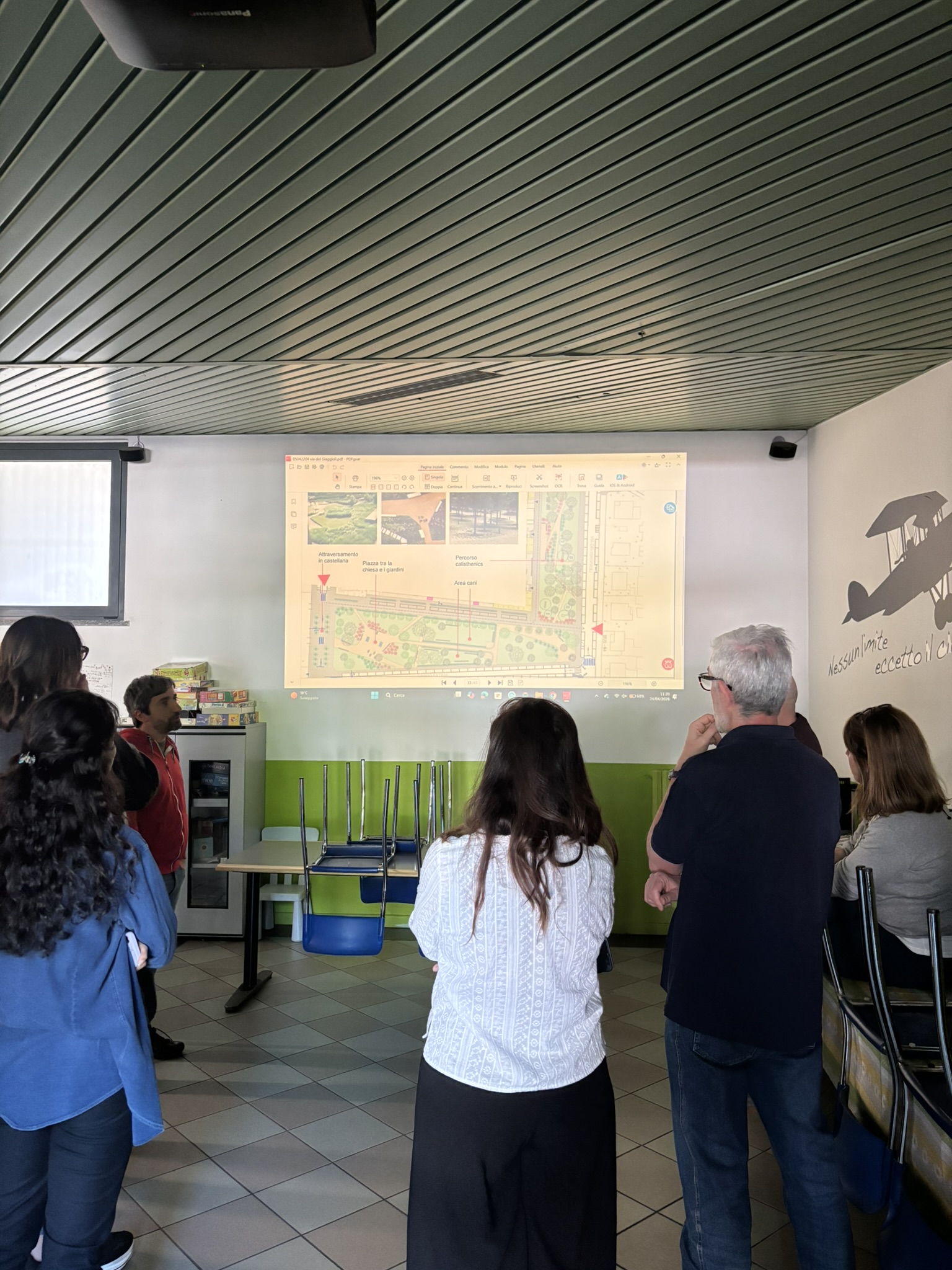
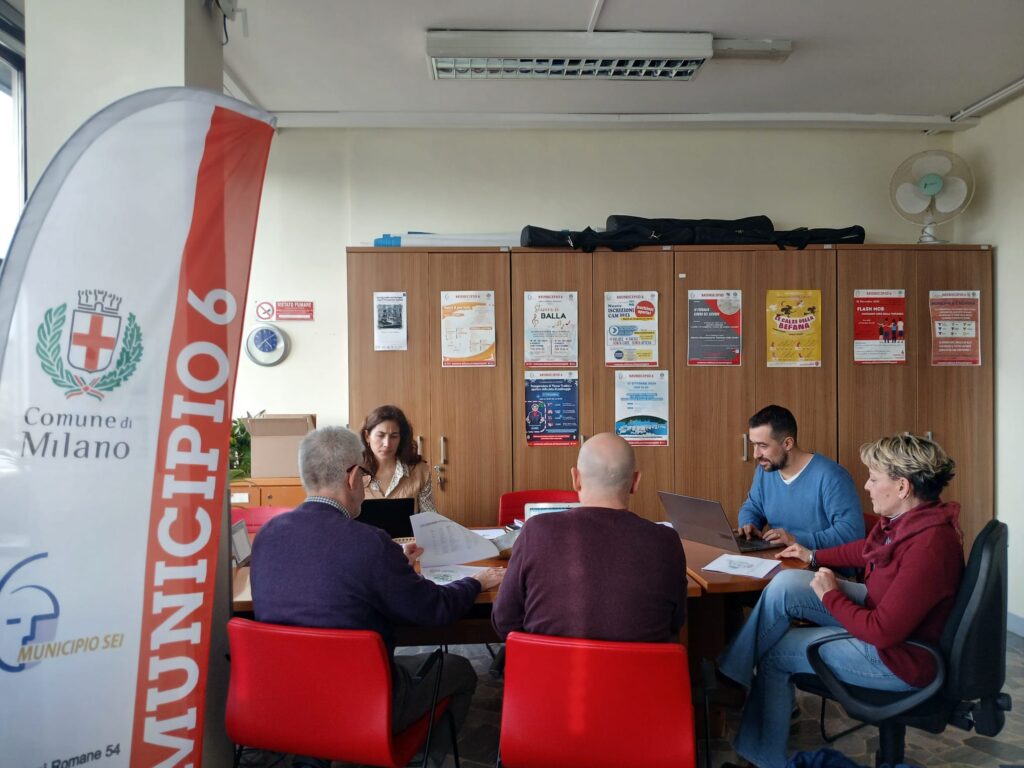
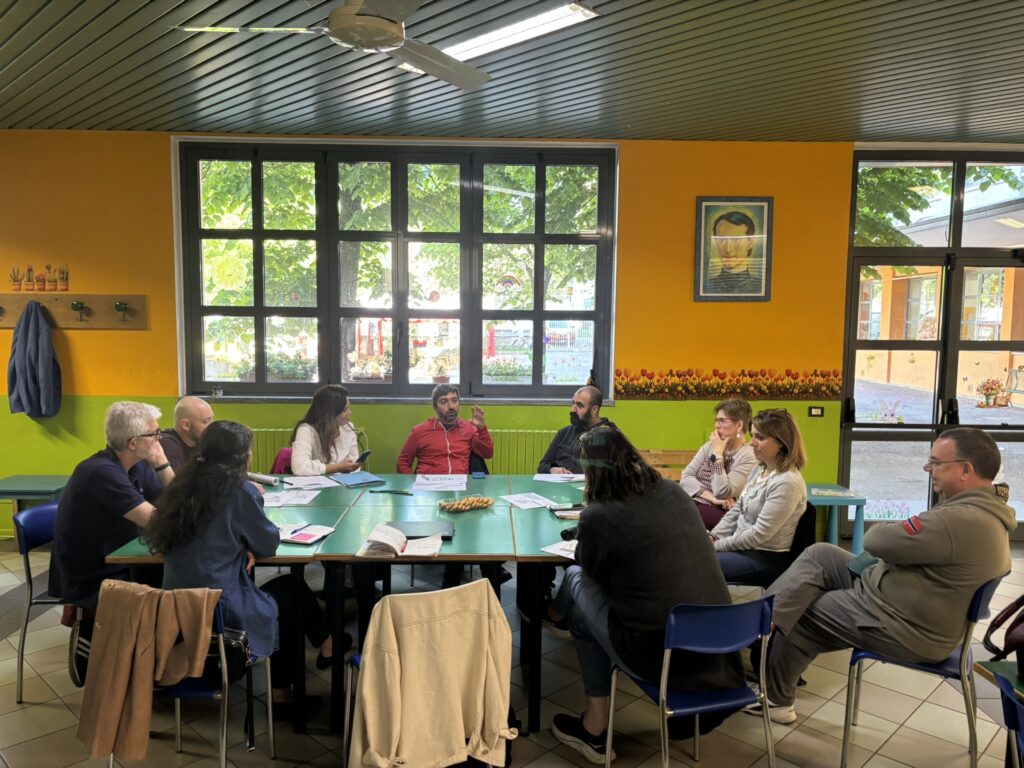
The deployment began on March 16 with a Pre-Stage alignment session at the Municipality 6 Headquarters, where the project team secured crucial institutional ownership and harmonized local governance priorities. The momentum shifted to the heart of the community on April 23 at the Oratorio Murialdo, moving the Living Lab into its active Community Engagement phase. During this second neighborhood meeting, project partners utilized visual tools and architectural renderings to translate technical blueprints into relatable realities for local associations. A pivotal mechanism introduced across both sessions was the Neighbourhood Regeneration Office (NRO), a strategic infrastructure debuting as a mobile, pop-up format during 2026 to act as a permanent local interface for citizen awareness and collaborative workshops.
The dual sessions focused heavily on establishing a shared understanding of the REGEN project and activating a robust co-creation approach across multiple levels of governance. Central to the discussions was the major Via Giaggioli urban transformation area, which features new Near Zero Energy Buildings (NZEB) and a future public square designed as a neighborhood social hub. Participants explored how to combine citizen engagement, behavioral change, and mobility solutions while tackling critical territorial challenges like social inclusion, public space stewardship, and energy poverty.
Impacts and outcomes
The workshops successfully validated Via Giaggioli and its future square as the symbolic and operational heart of the Milan Living Lab. By engaging directly with the territory, the project significantly expanded its ecosystem, establishing concrete ties with vital local networks like Laboratorio di Quartiere, Rete QB, Scendi Giambellino, and ENAIP Lombardia. Moving forward, the REGEN team will leverage this rich existing network to facilitate rather than duplicate efforts, exploring the creation of a neighborhood-level Civic Assembly to tackle sustainability challenges and govern public space collaboratively.
No responses yet