Managing Urban Spaces Together (MUST)
1
Technology Component (TC)
Participation – GIS
Domains
TRL6 → TRL7
Technology Readiness Level (TRL)

LIST
Owner
Objective
Managing Urban Spaces Together (MUST) is a participatory digital system developed by the Luxembourg Institute of Science and Technology (LIST) to support collaborative urban planning and citizen engagement in regeneration processes. The solution combines interactive spatial technologies with participatory methodologies to enable citizens, planners, and local stakeholders to jointly explore, design, and evaluate urban transformation scenarios.
- Core components
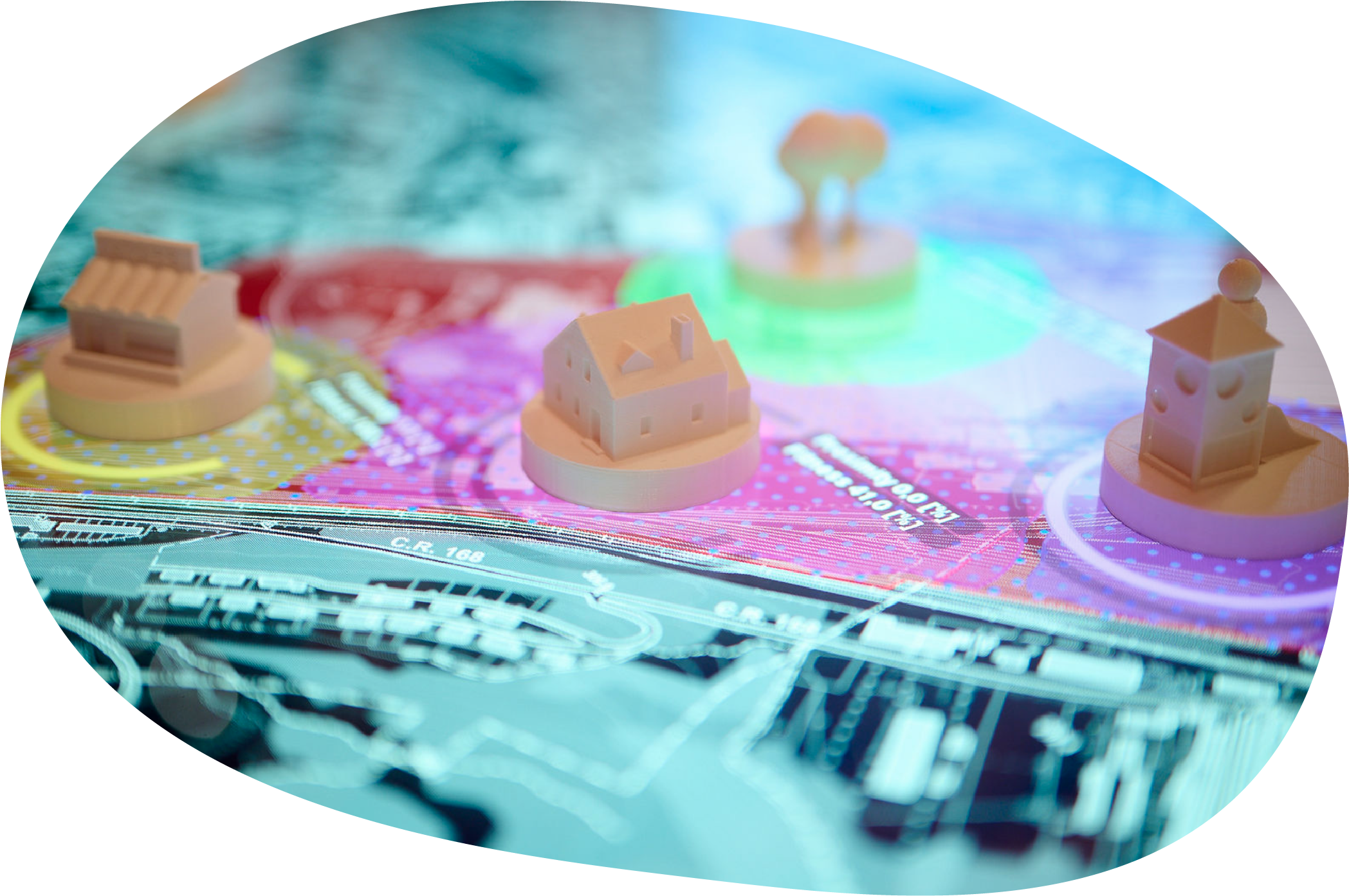
At the core of MUST is a collaborative touch and tangible table designed for co-located participatory workshops.
This interactive environment allows participants to manipulate spatial elements, explore urban data layers, and collaboratively define requirements or potential interventions for specific urban areas. By simplifying access to complex spatial information, the tool facilitates dialogue between diverse stakeholders and supports informed decision-making during urban planning processes.
- GIS integration component and recent improvements
MUST integrates Geographic Information System (GIS) functionalities to provide a spatially explicit understanding of urban environments. Participants can visualize site characteristics, explore environmental and infrastructural constraints, and assess the potential impacts of proposed interventions.
Recent developments have enhanced the tool with improved scenario modelling and collaborative evaluation capabilities, allowing stakeholders to better assess the spatial, environmental, and social dimensions of regeneration strategies. These features strengthen the capacity of MUST to support structured co-creation processes and evidence-based decision-making.
- MUST within REGEN
Within the REGEN project, MUST contributes to the project’s digital toolbox by enabling inclusive and transparent participatory planning processes in the demo sites. It supports the collection of local knowledge, facilitates dialogue among stakeholders in our Neighborhood Regeneration Offices, and translates citizen input into structured planning insights that can inform urban regeneration strategies.
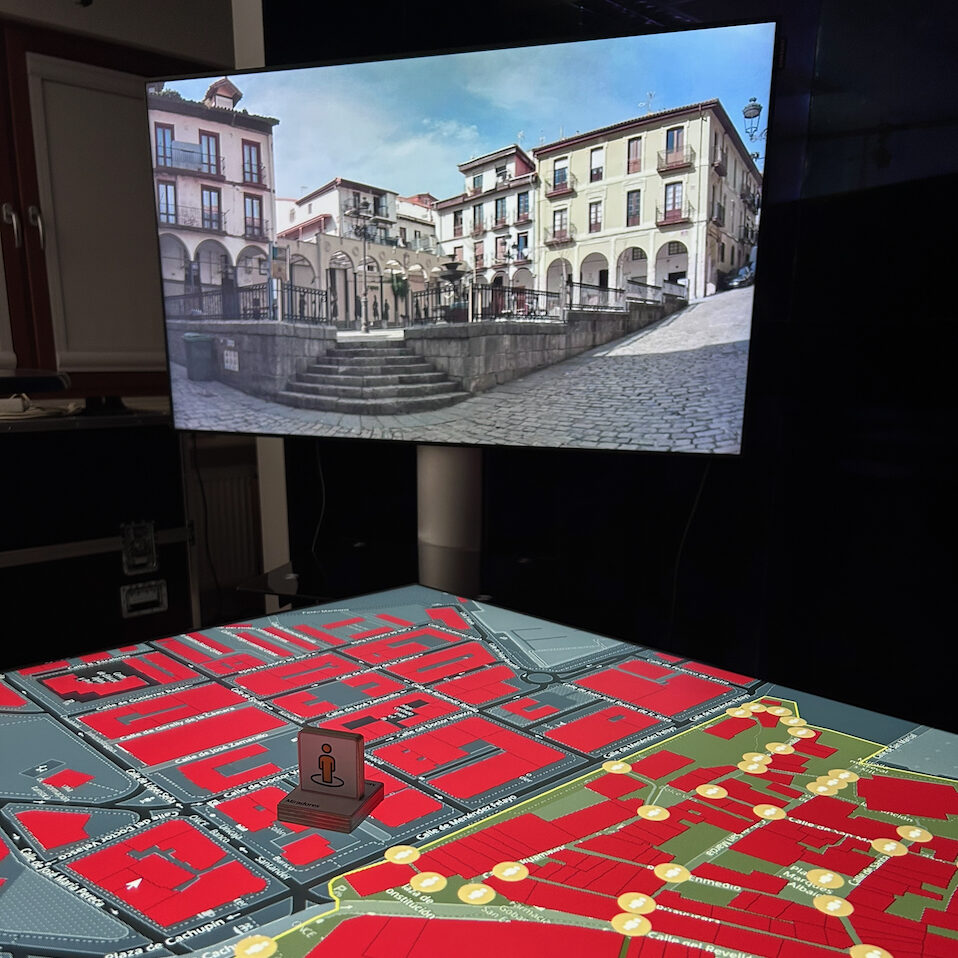
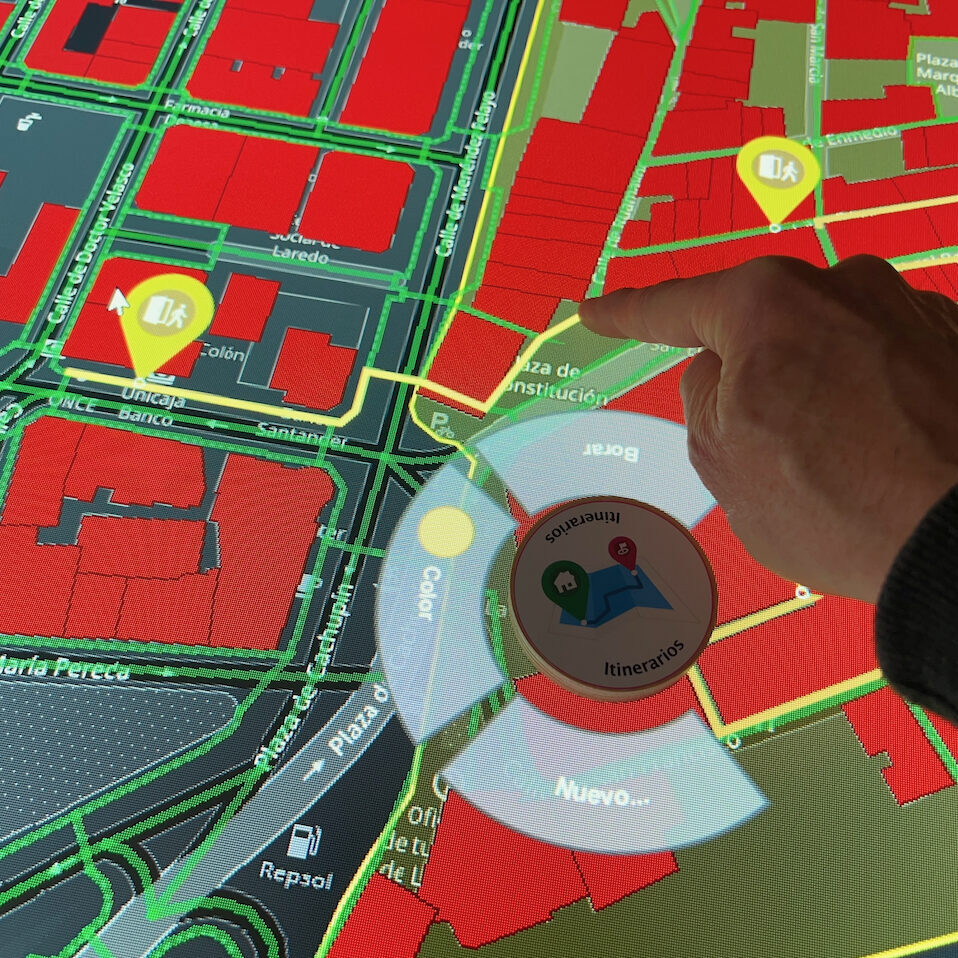
The very first deployment of MUST within REGEN was done in Laredo (Spain) in April 2026. MUST was extended with new features which mainly focus on the topic of citizen mobility.
Workshop participants are able to collaboratively report a variety of mobility related issues they are facing when moving within the boundary of the old city centre. The issues are organised in mobility profiles, based on common impairments of the participants or accessories with wheels (baby stroller, shopping trolley) being used. Participants are also able to trace the paths they usually take inside the city, for instance to circumvent an obstacle their respective mobility profile doesn’t allow them to overcome. Collecting this feedback will help getting a better understanding of where mobility impeding hotspots are located and gauge later on whether corrective actions had the desired effect.
- Development status and validation
Currently progressing from Technology Readiness Level (TRL) 6 to TRL 7, MUST is being validated in real-life urban contexts within the REGEN demonstrations. Its integration with other digital tools and data platforms developed in the project further strengthens its role as a collaborative decision-support solution for sustainable and inclusive urban regeneration.
- Overall impact
By combining tangible interaction, spatial data visualisation, and online participation, MUST illustrates how digital innovation can enhance citizen involvement and support more collaborative approaches to urban governance across European cities.
Horizon Europe

Co-founded by the European Union. Views and opinions expressed are however those of the author(s) only and do not necessarily reflect those of the European Union or CINEA. Neither the European Union nor the granting authority can be held responsible for them.
Contact
Sylvain Kubicki
REGEN Coordinator, Luxembourg Institute of Science and Technology (LIST)
sylvain.kubicki@list.lu
Coralie Vella
DEC Manager of REGEN project, R2M Solution
coralie.vella@r2msolution.com