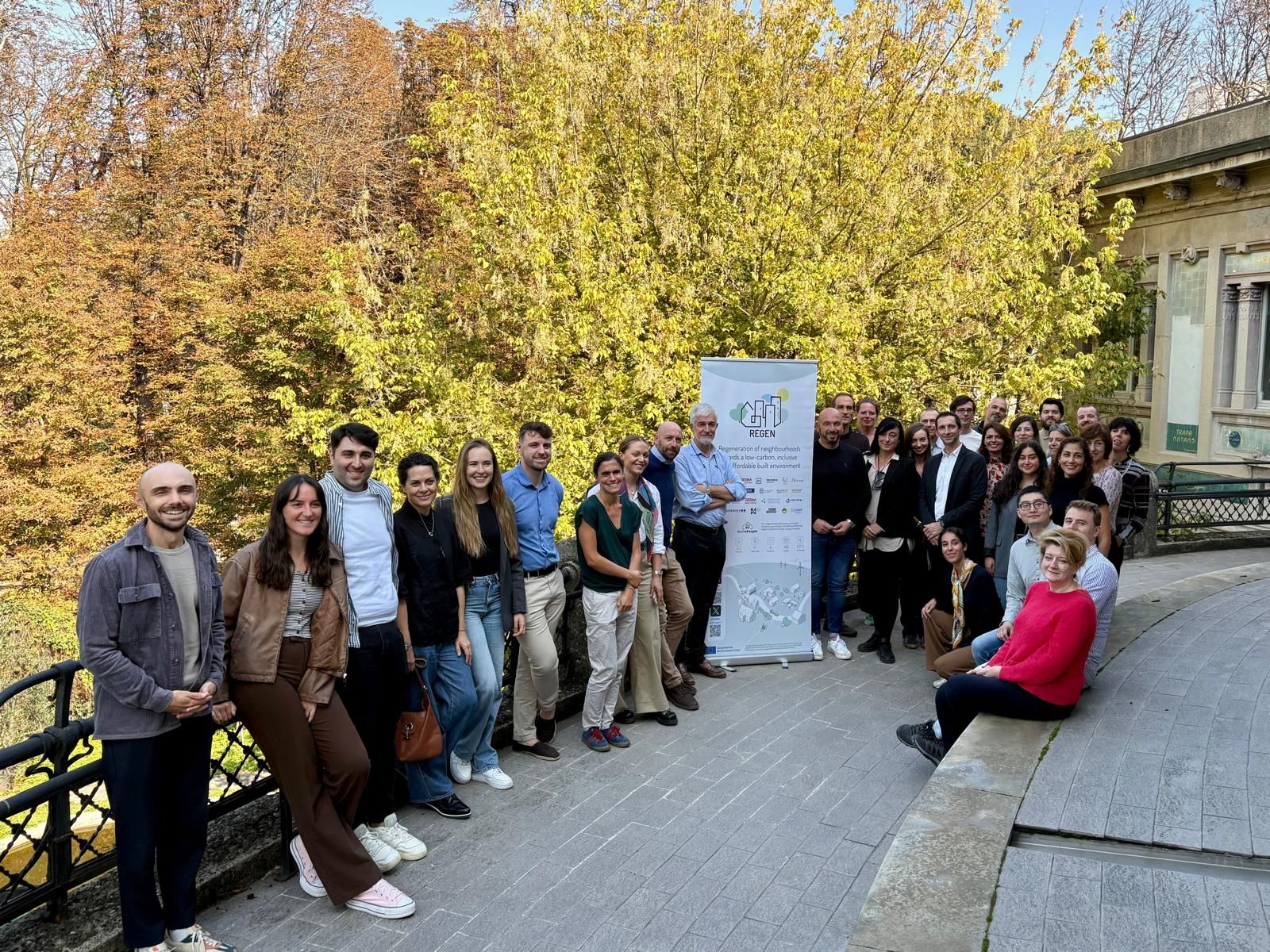
The 3rd REGEN Consortium Meeting brought all partners together from October 7th to 8th, 2025, in Milan, to discuss the status of activities and the project’s next key steps.
Third consortium meeting in Milan ! Day 1
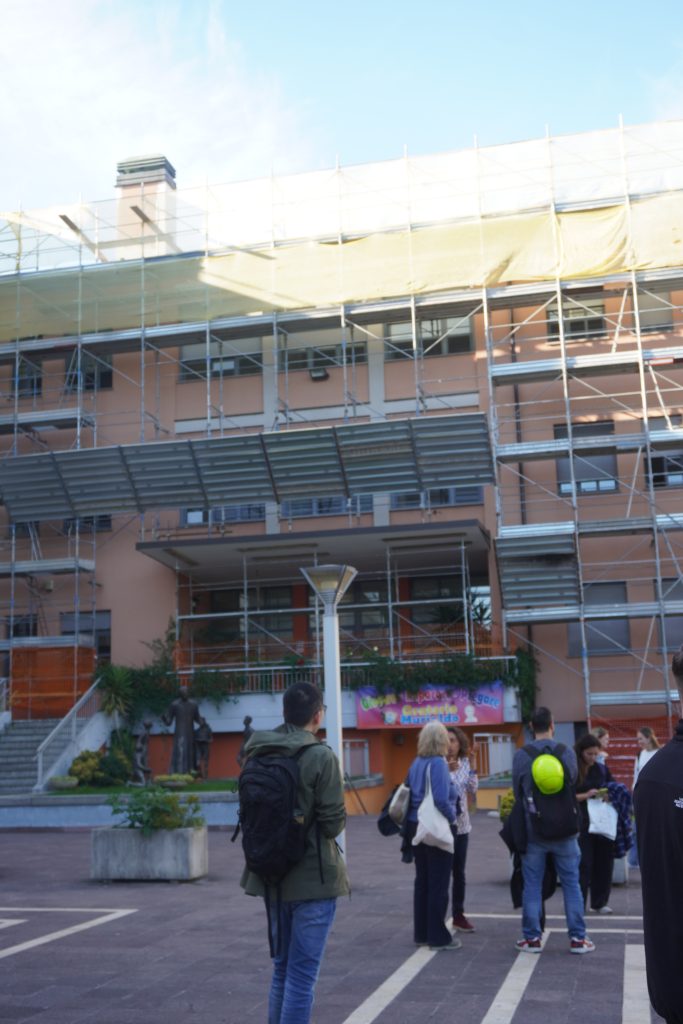
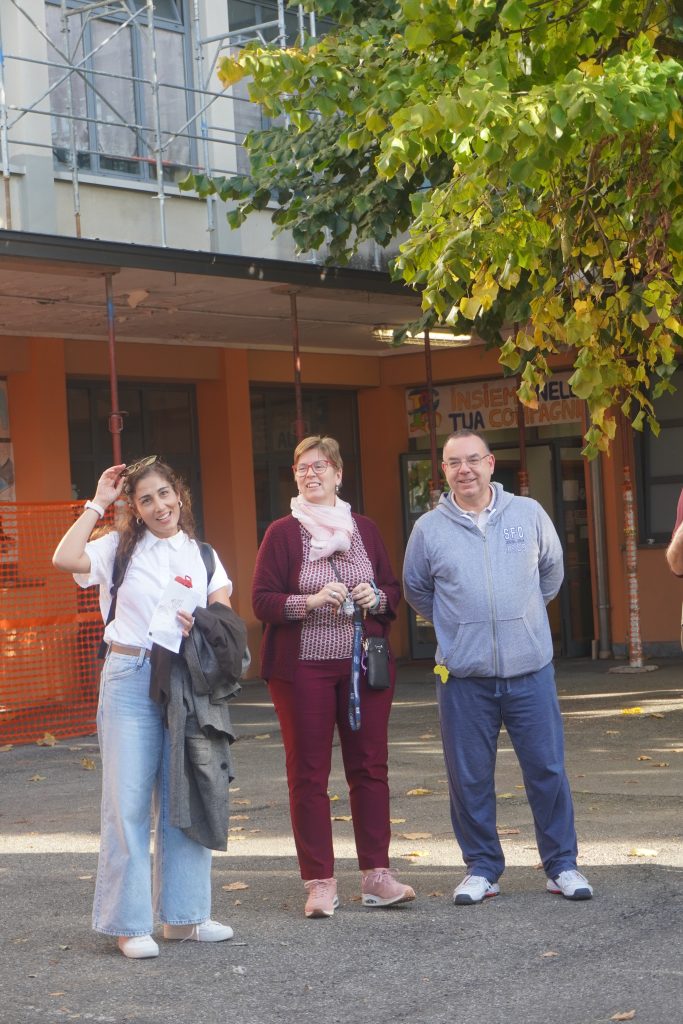
It began with a full day of immersion in the Giambellino-Lorenteggio district, the heart of the Italian pilot site.
1. Pilot Site Focus: On-Site Visit
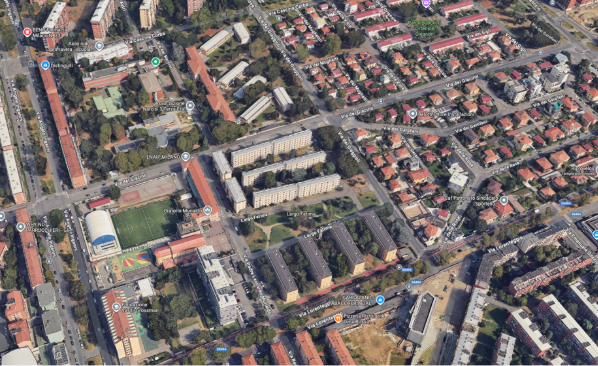
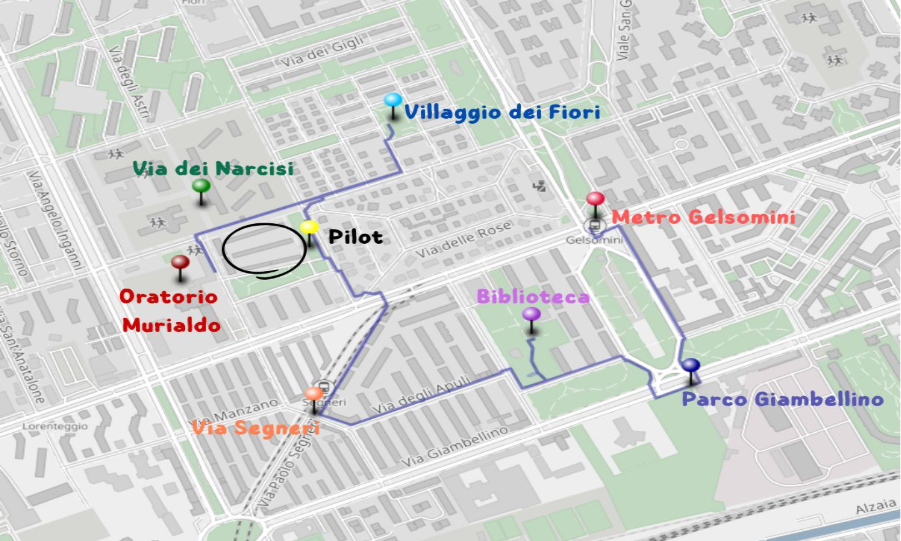
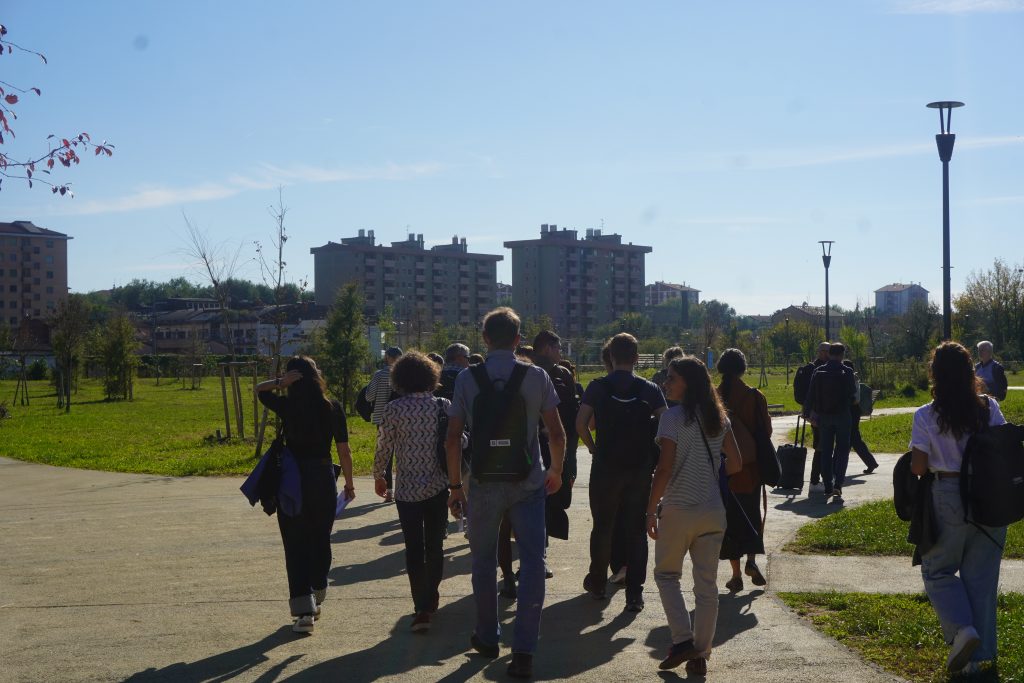
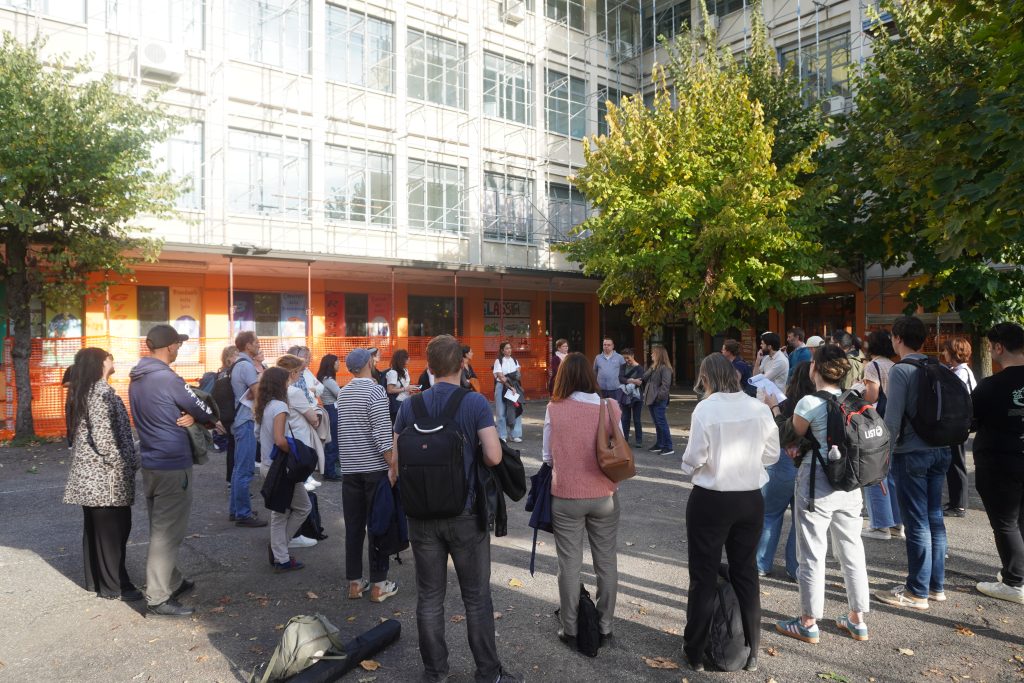
The consortium launched the tour at Metro Gelsomini, where City of Milan representatives provided an initial overview of the Giambellino-Lorenteggio district, addressing its history, complex social context, and unique regeneration challenges.
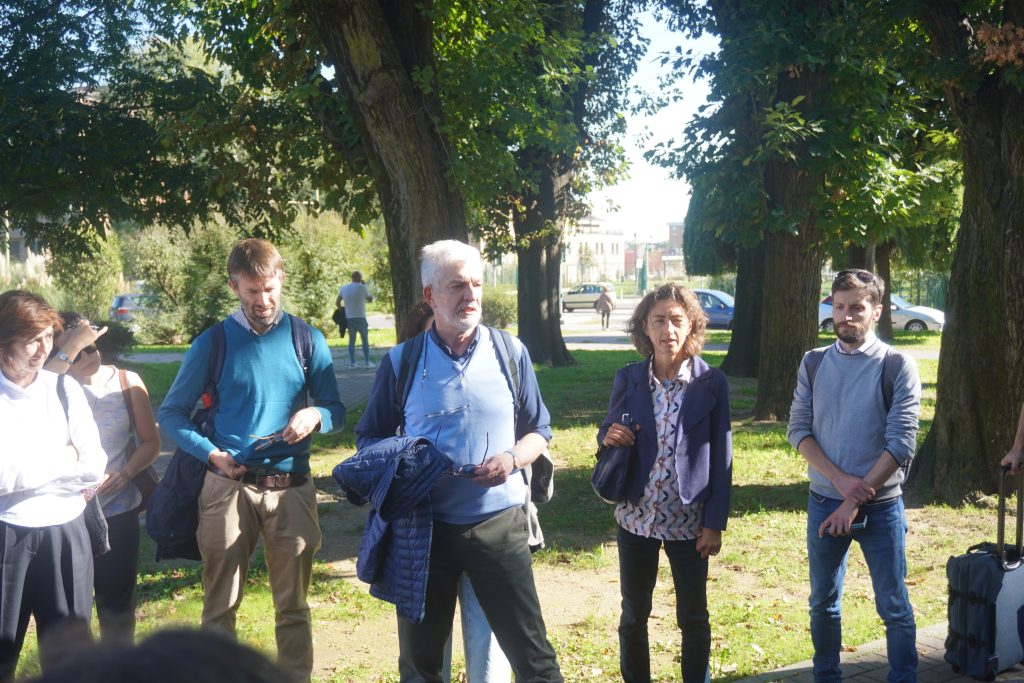
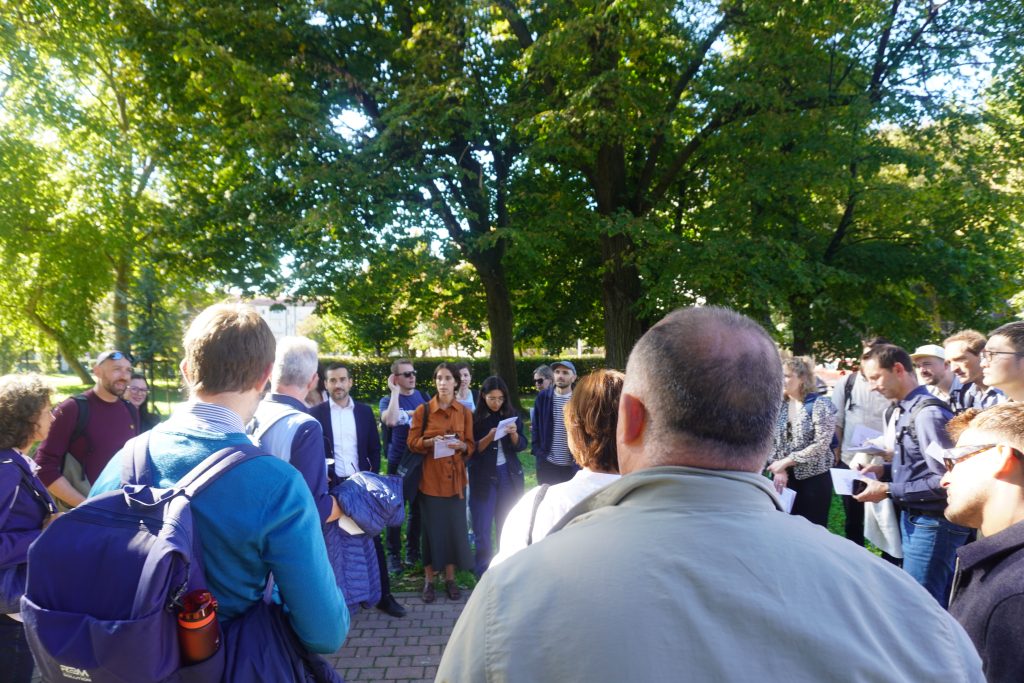
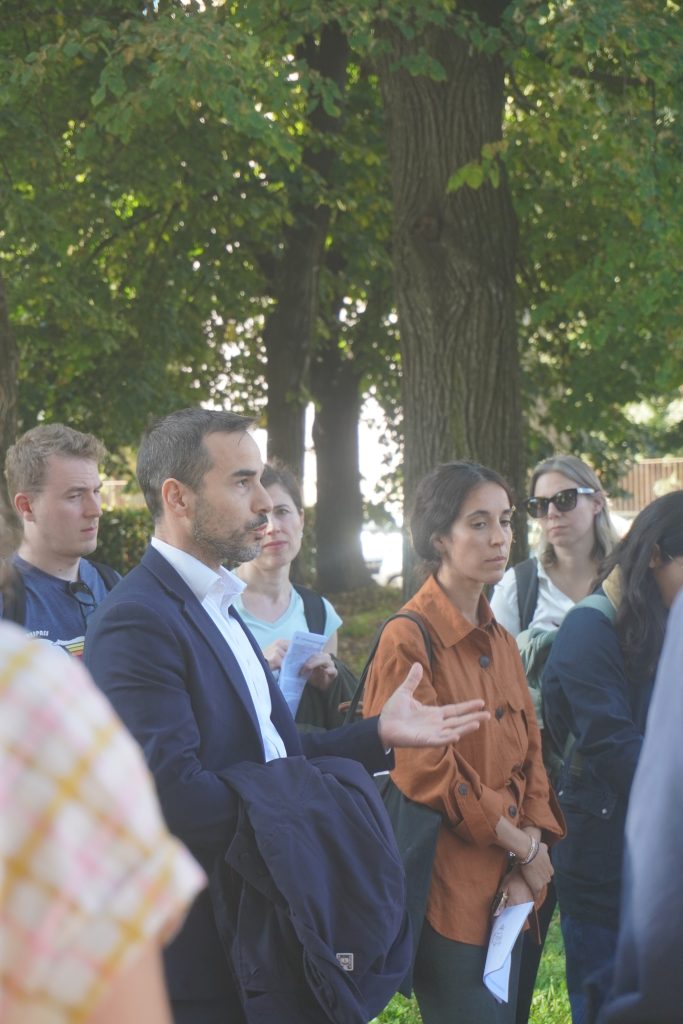
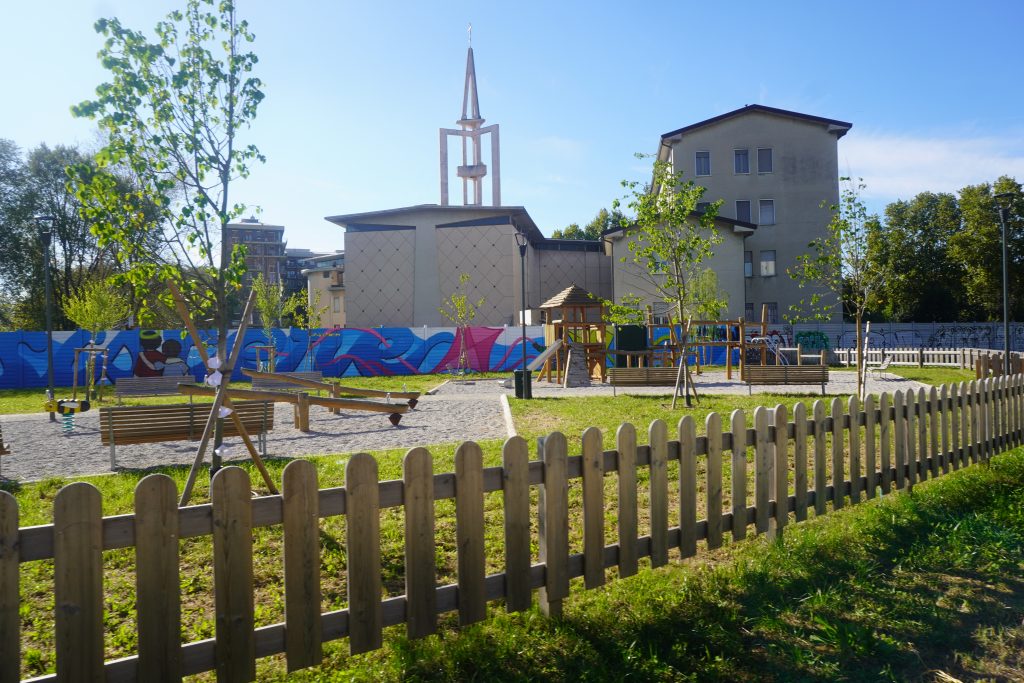
Next, we crossed Giambellino Park and paused at the entrance where the Clever Project team illustrated how Nature-Based Solutions (NBS) are concretely integrated into the regeneration plan, demonstrating their essential role in improving the urban environment. The new park, on land that had been abandoned for decades and was recently remediated, was redeveloped through a co-design process involving local residents and associations. This led to the co-creation and shared management of the spaces and green areas, following the principles of community gardens.
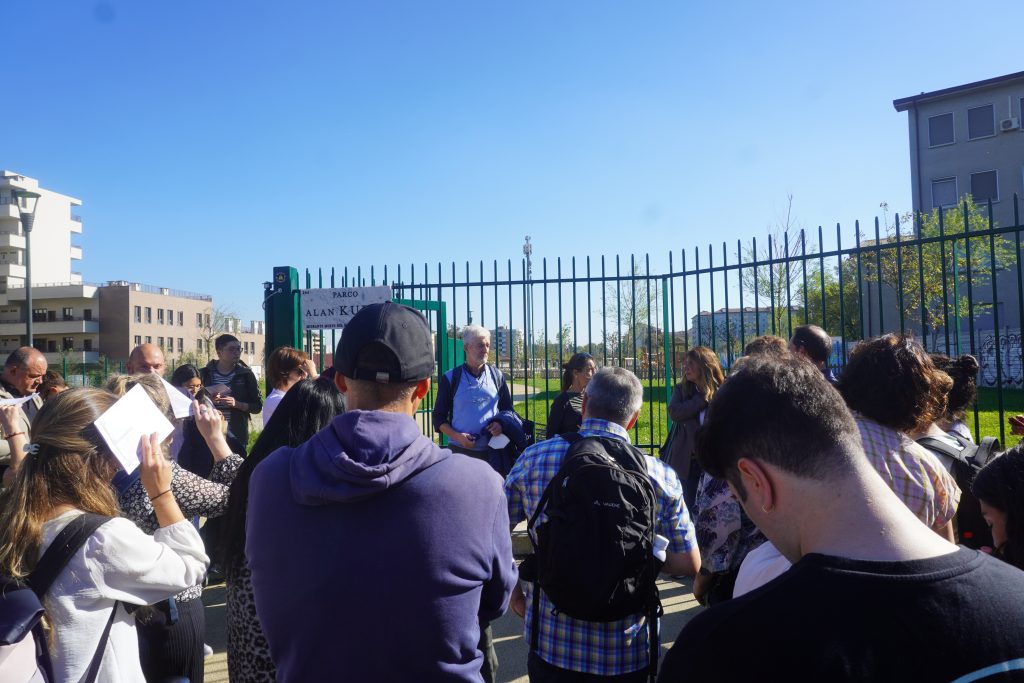
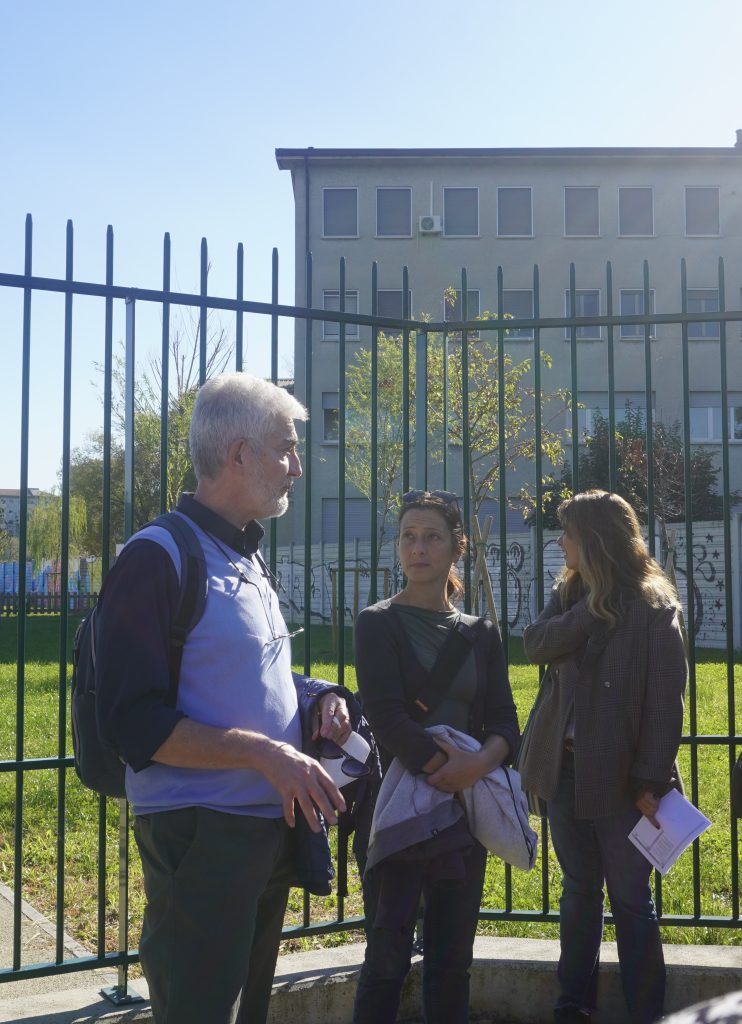
Within the park, that we crossed, we observed an area dedicated to social and educational activities, the shared area, equipped with garden plots, pergolas, and zones devoted to biodiversity. Children attending local after-school programmes, users of the Itaca Day Centre for People with Disabilities, and citizens of all ages are involved in the gardening activities.
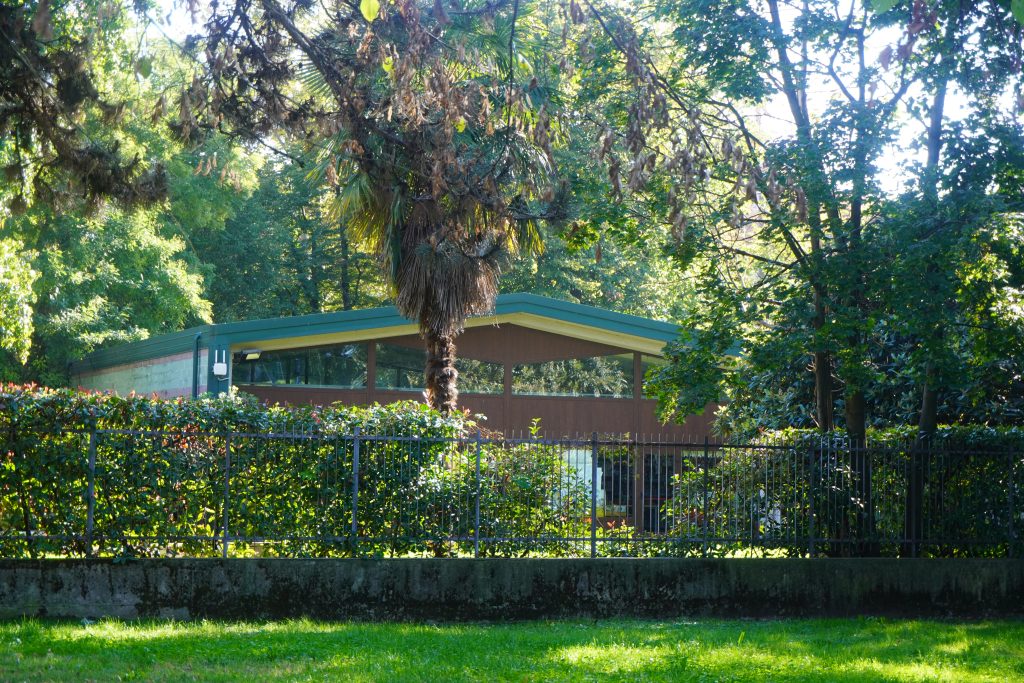
The stop at the new Lorenteggio Library under construction highlighted its future central role as a cultural and social hub, thereby embedding regeneration into the community fabric.
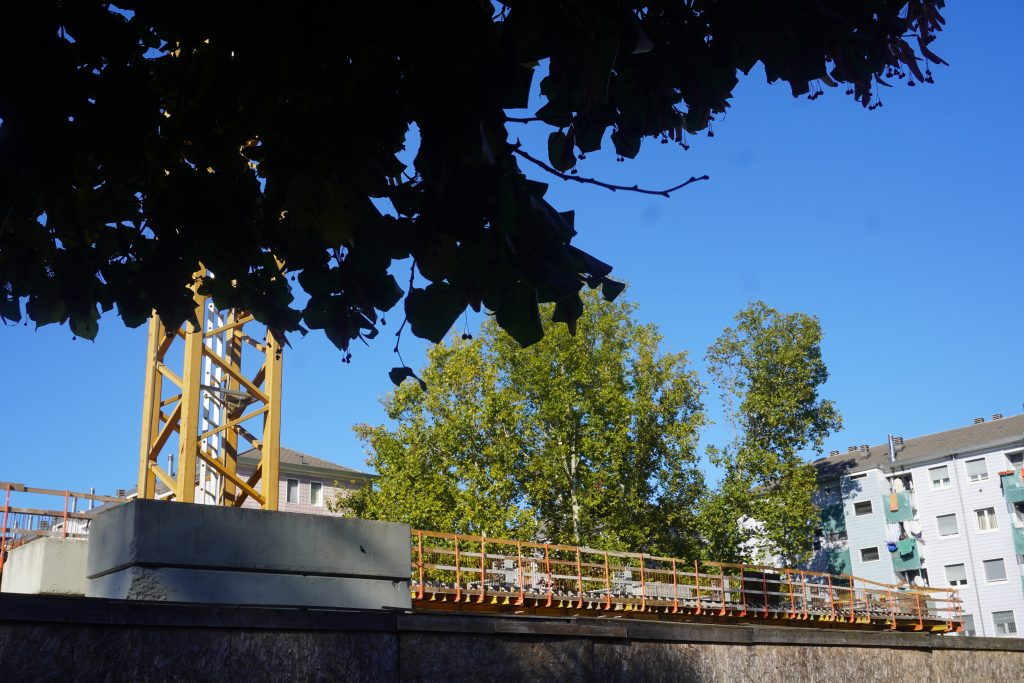
On Via Segneri, partners observed the striking contrast between historic social housing and new, modern developments, illustrating the ongoing urban renewal strategy.
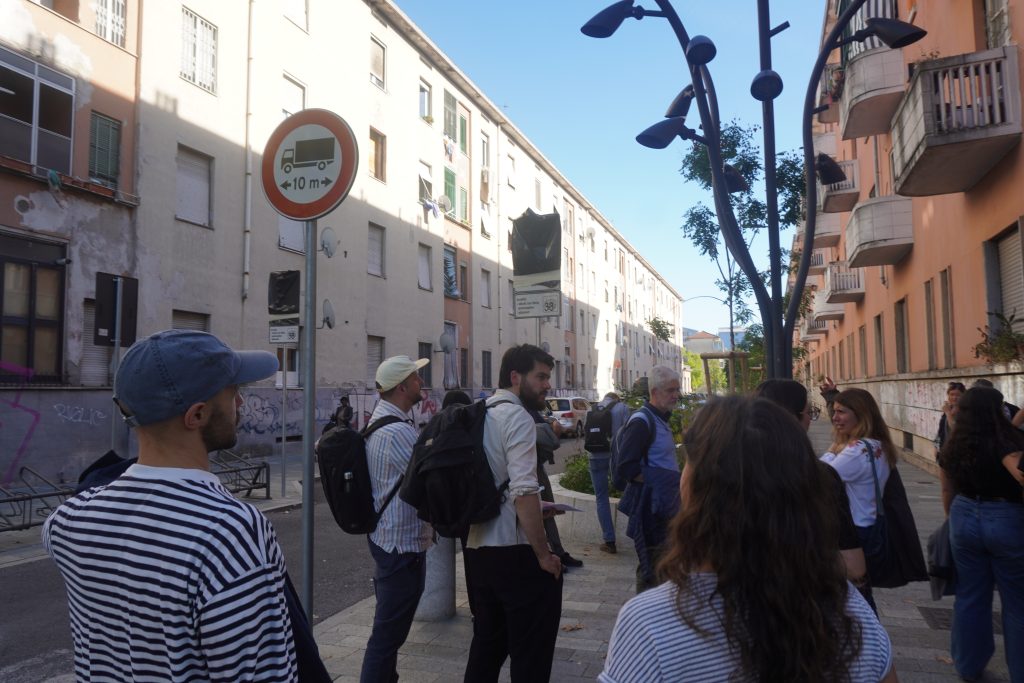
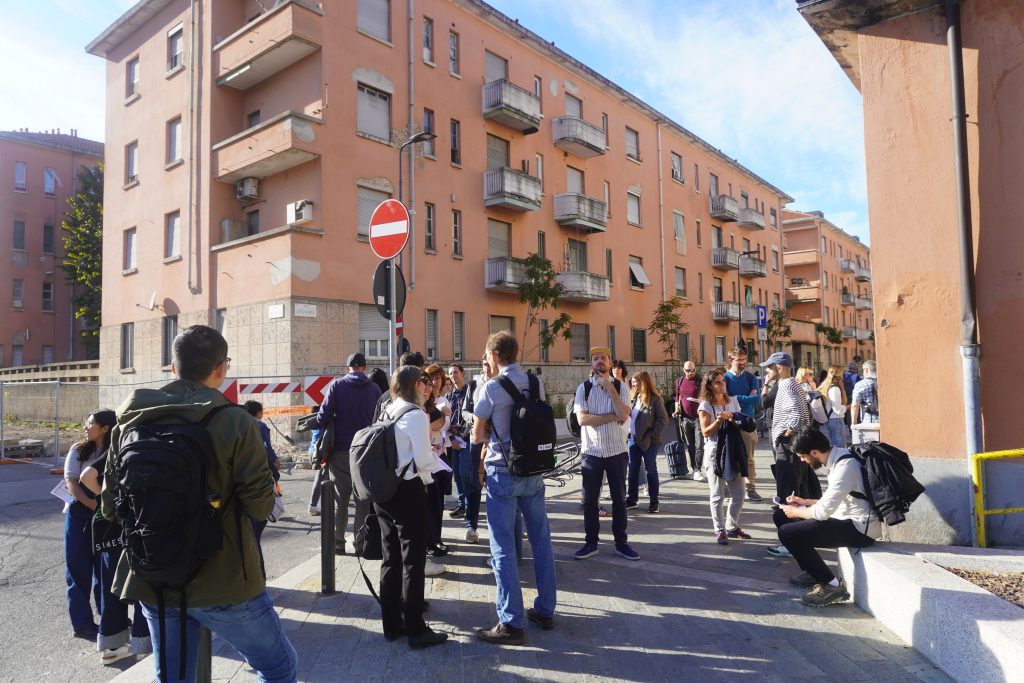
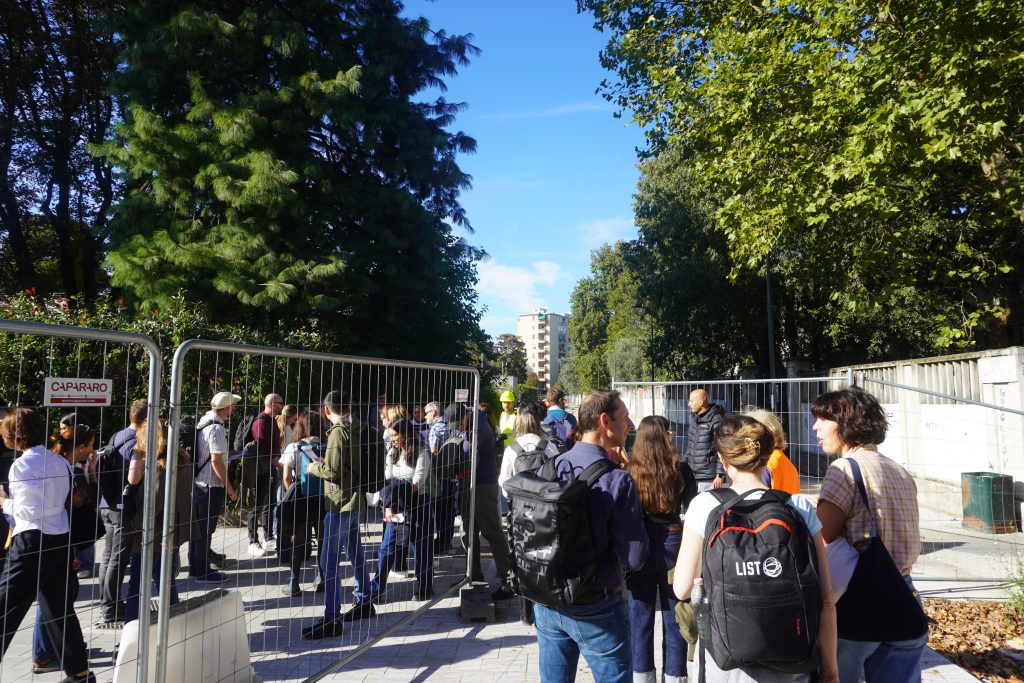
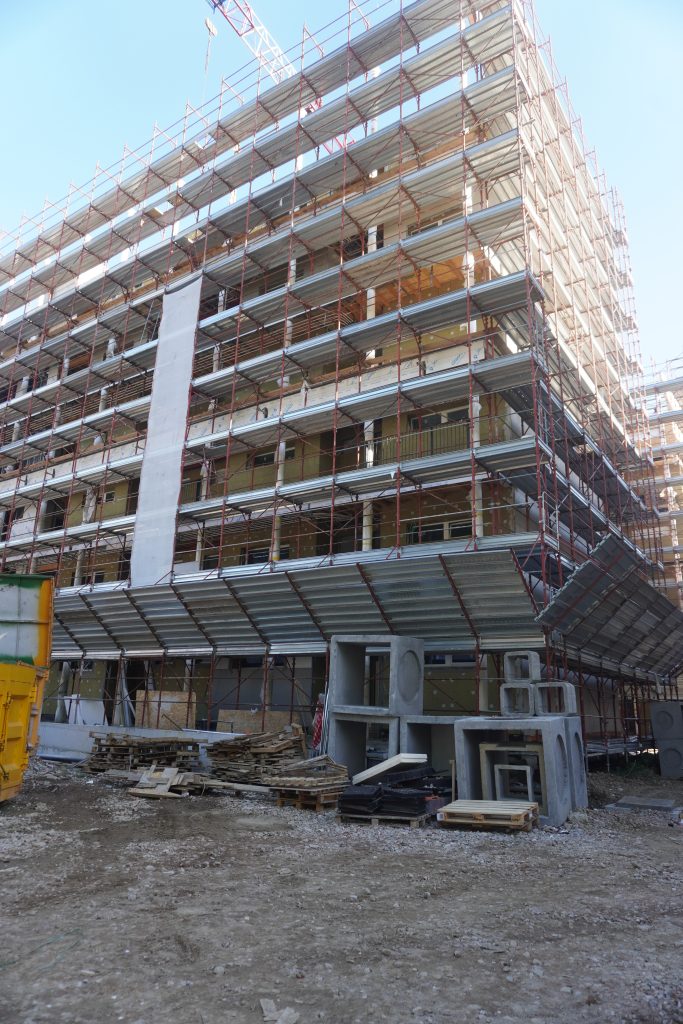
Then MM (construction company), AMAT, and R2MIT presented the renovation of the three pilot residential blocks on Via dei Giaggioli, detailing the improvements to the shared spaces and the approach used to engage residents. The aim is to complete one building by the end of the year, while the other two will be finished later.
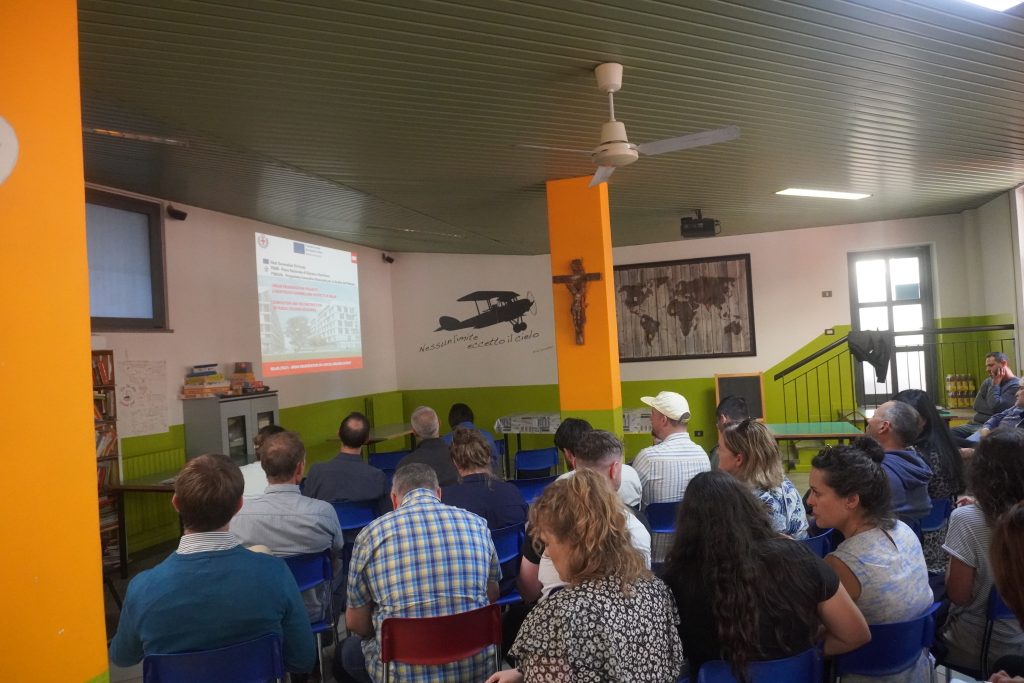
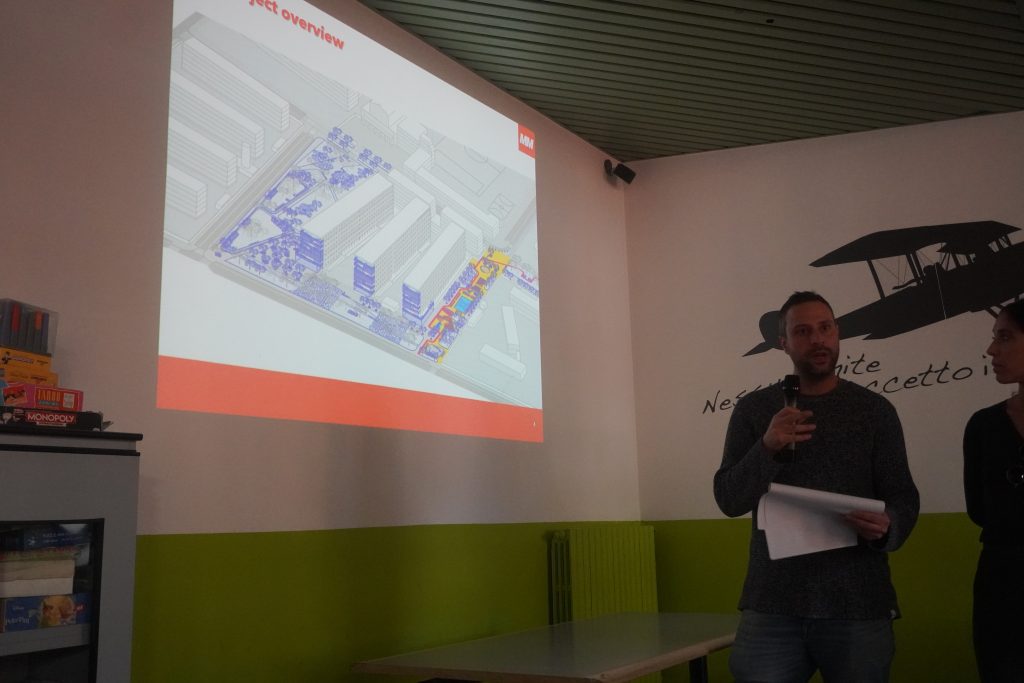
2. Community Focus: Socio-Cultural Dimension and Integration
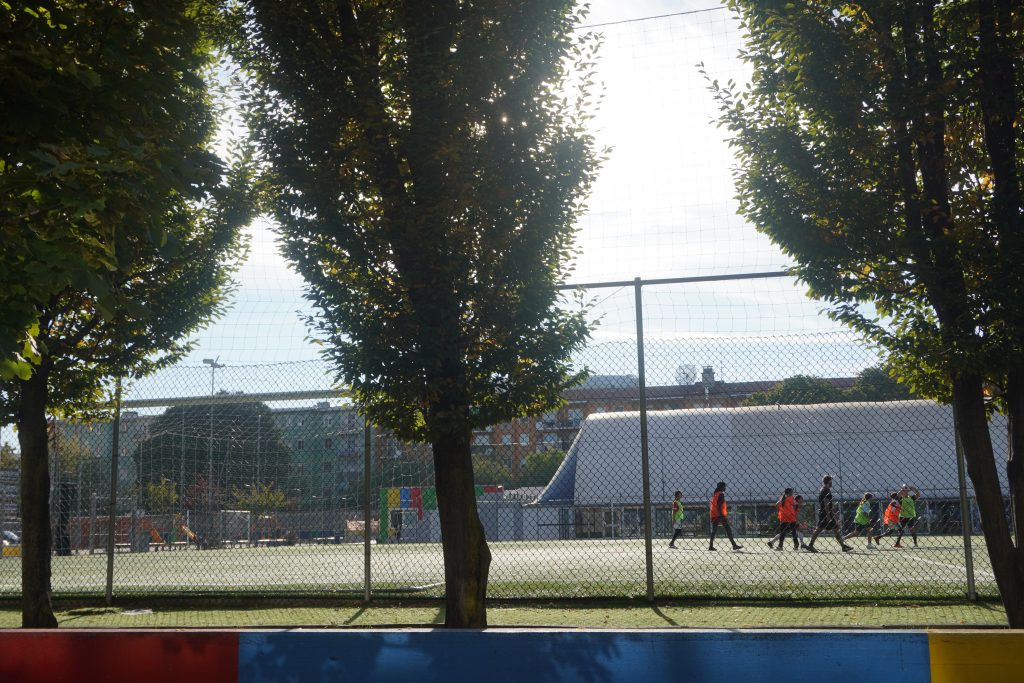
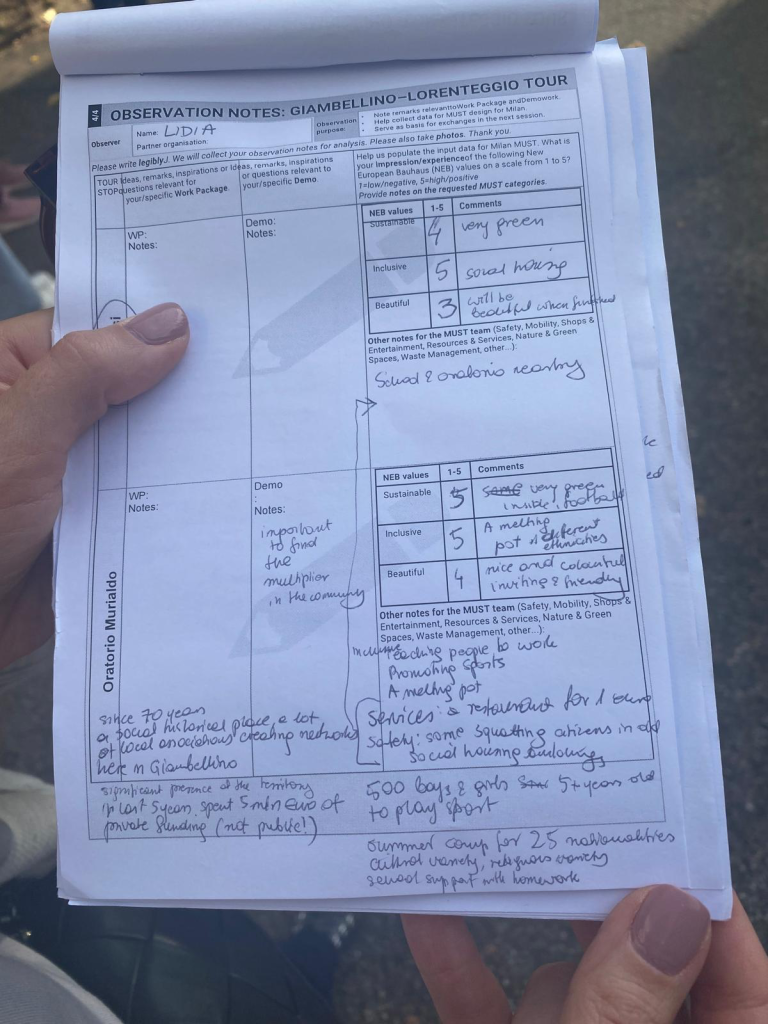
Following the site tour, the partners gathered for a session on the Socio-Cultural Dimension and Integration Challenges, with contributions from the Oratorio Murialdo and the City of Milan. The discussion highlighted the strong community-building tradition of the neighbourhood, supported for over 70 years by the Oratorio, which welcomes nearly 500 children aged 5 to 19. Entirely volunteer-based and part of a citywide network of nine Oratorios, it provides recreational activities, school support, and a social space that brings together people from different cultural and religious backgrounds. Long-term engagement and shared interests were cited as key factors in managing this diversity.
Links were made with the experience of other demo sites, such as evolving community profiles in Dublin.
Additional initiatives were presented, including a partnership with Energia Bank to support families facing energy poverty through capacity-building and energy-saving advice. The City of Milan also mentioned complementary programmes such as a €1 food scheme for children, before opening the floor for questions.
3. Workshop: translating observations into action
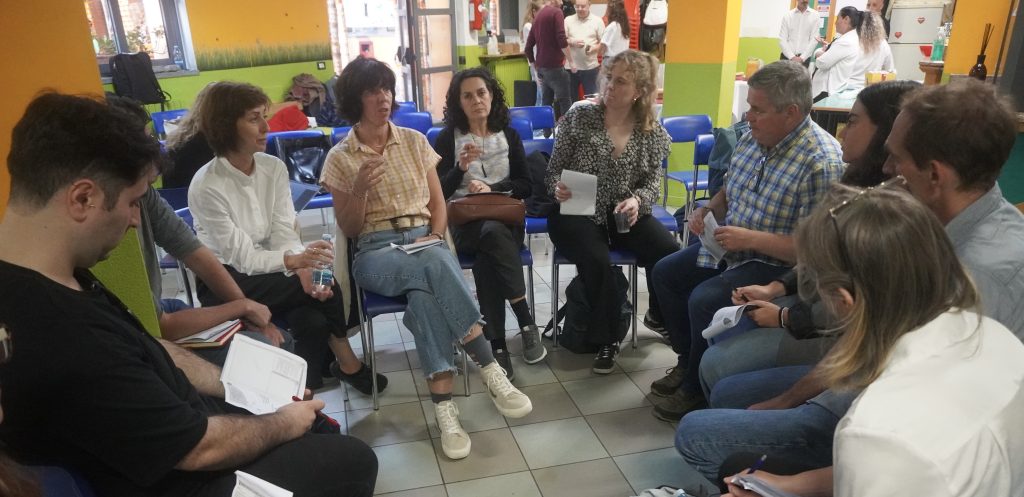
The afternoon’s on-site observations then transitioned into workshops which allowed the consortium to immediately translate the insights and observations collected during the tour into tangible work, refining strategies for community engagement and technical solutions.
The day ended with a cocktail that allowed partners and researchers to share final thoughts in a relaxed atmosphere. Stay tuned for the next article detailing Day 2’s intensive Work Package reviews!
No responses yet