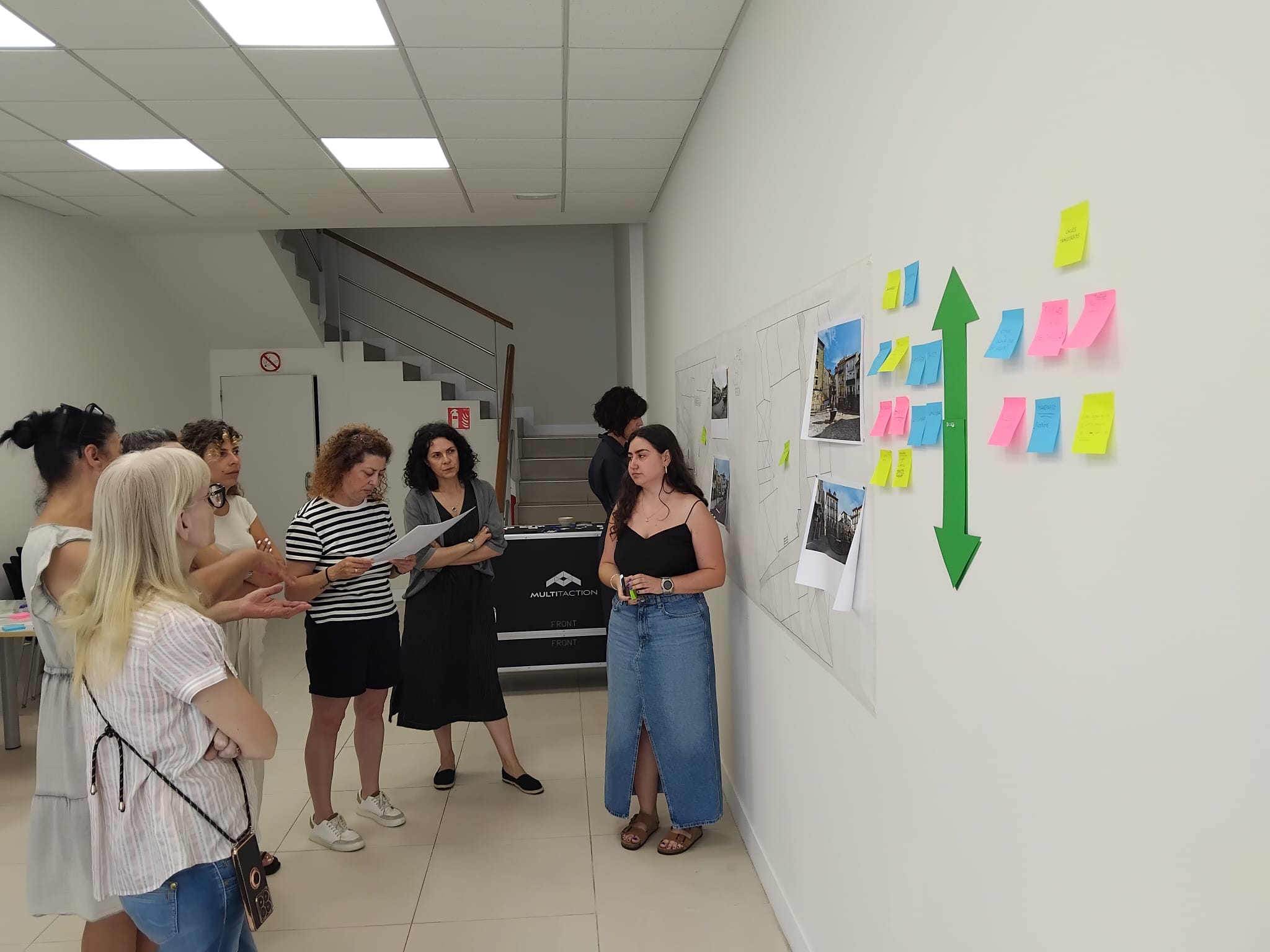
From April 28th to June 19th, 2026, and as part of the REGEN project, a series of participatory workshops was organised in Puebla Vieja to support the development of a local Living Lab focused on urban regeneration. The process aimed to engage local stakeholders, validate previous diagnoses and co-create practical improvement proposals for the historic district.
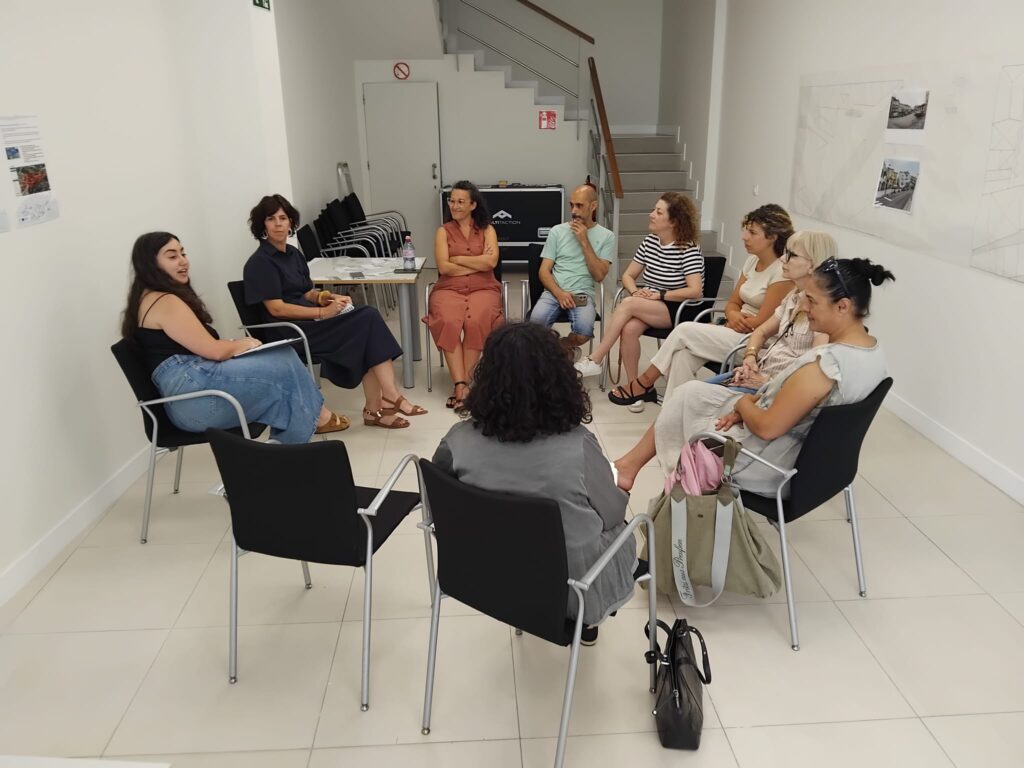
The local REGEN facilitation team (Begirune and Laredo), in collaboration with the local Motor Group, designed and coordinated five participatory workshops involving residents, local businesses and other relevant stakeholders from Puebla Vieja. Through a combination of participatory methods and collaborative tools, the workshops supported the transformation of local knowledge and everyday experiences into concrete proposals for the future improvement of the neighbourhood.
Summary of the intervention
The workshops followed a progressive participatory approach, enabling participants to move from identifying challenges and validating existing information towards prioritising feasible interventions with potential impact on the neighbourhood.
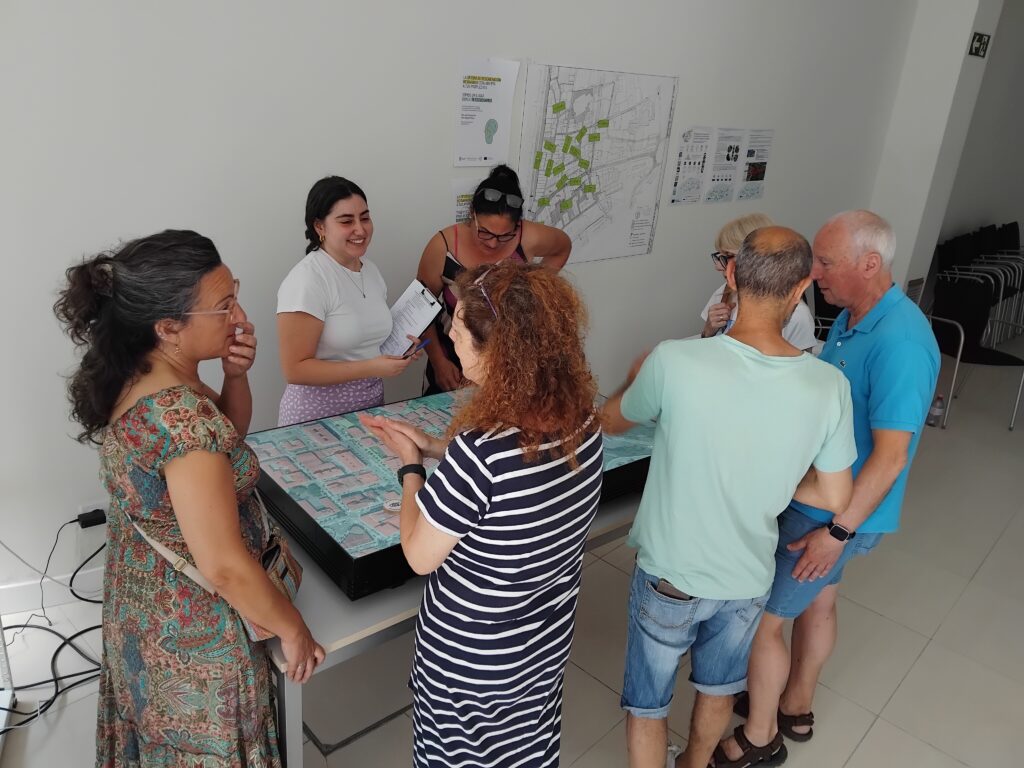
The activities combined qualitative discussions, collaborative mapping exercises and spatial data collection through the MUST digital table. These approaches allowed participants to share their experiences of the neighbourhood, identify key issues and contribute directly to the design of potential solutions.
The Living Lab methodology included:
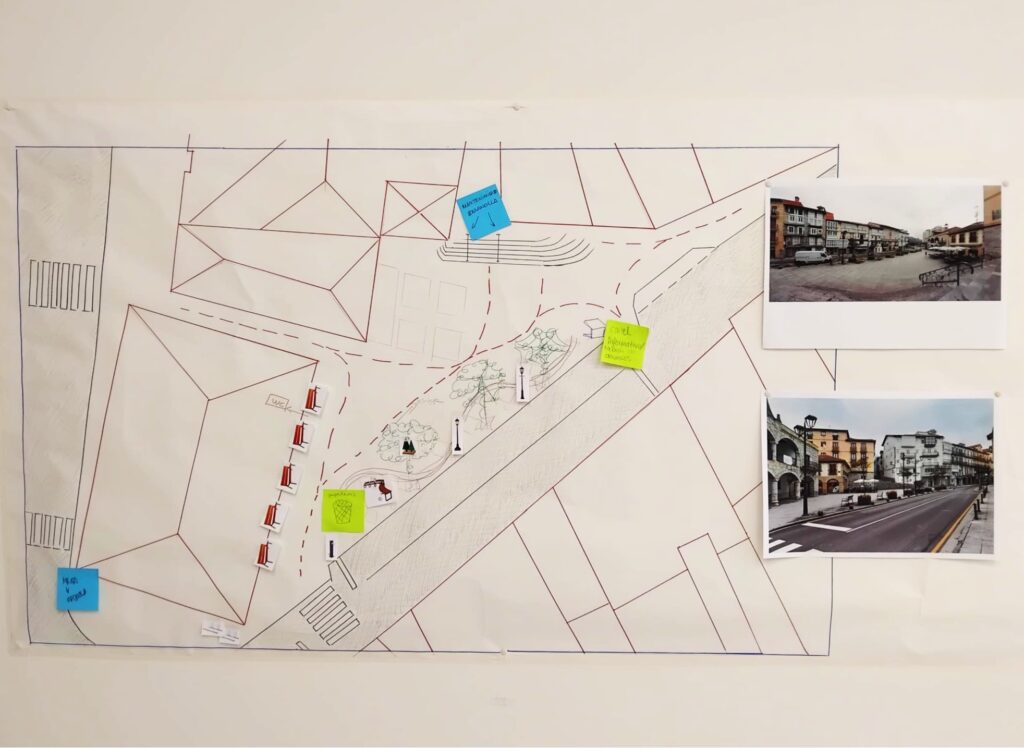
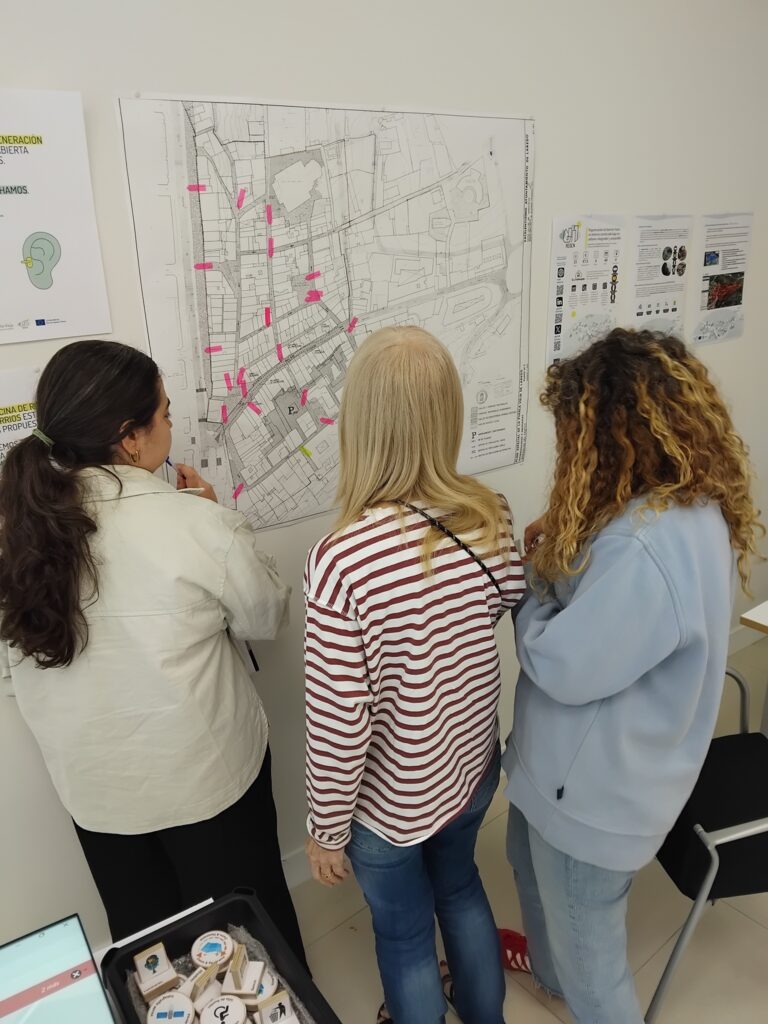
- Participatory mapping to identify spatial challenges and opportunities;
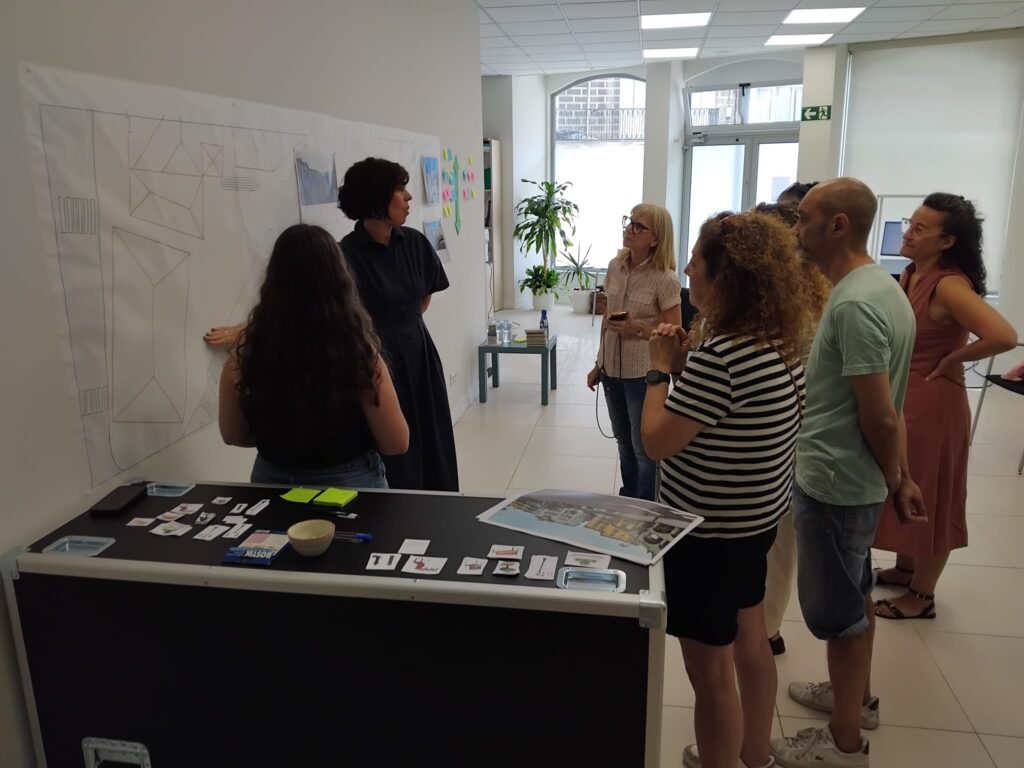
- Collaborative design sessions to develop improvement proposals;
- Group discussions and consensus-building activities to explore different perspectives;
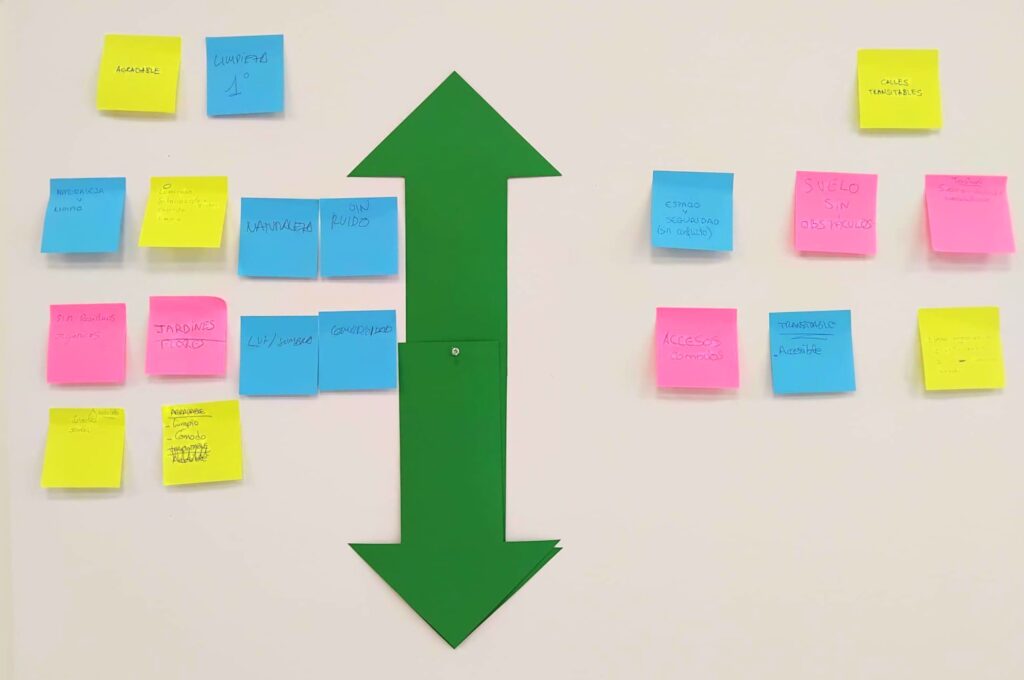
- Visual prioritisation using printed maps and stickers to rank needs and potential actions;
- Digital interaction through the MUST platform to collect and structure spatial information;
- Progressive validation of proposals across consecutive workshops.
The process generated a collaborative environment where residents and stakeholders could contribute their knowledge and experience while working towards practical and locally relevant urban regeneration solutions.
Key topics addressed
The workshops focused on the main challenges affecting urban quality, accessibility and everyday life in Puebla Vieja. Through discussions and collaborative exercises, participants explored priorities related to the improvement of public spaces and neighbourhood services.
The main topics addressed included:
- Accessibility and mobility barriers, particularly those affecting older adults and people with reduced mobility;
- Pedestrian safety and connectivity, including the identification of unsafe or difficult walking routes;
- Public space quality and use, including discussions on what makes a public space pleasant and inclusive from citizens’ perspectives;
- Cleanliness and waste management, including the improvement of waste bin locations;
- Urban furniture and resting areas, including the identification of suitable locations for additional benches;
- Social coexistence and neighbourhood services;
- The redesign of strategic public spaces, with a focus on Plaza de la Constitución and Plaza Marqués de Albaida.
Impact and outcomes
These sessions contributed to the REGEN project objectives by strengthening citizen participation and generating user-centred qualitative and spatial information to support urban regeneration activities.
The process resulted in:
- A shared diagnosis of the neighbourhood based on residents’ experiences and stakeholder knowledge;
- A prioritised list of urban interventions;
- Spatial information related to accessibility, mobility, cleanliness and public space quality;
- Proposed locations for new waste bins and benches;
- Preliminary redesign proposals for two strategic public spaces;
- Insights into residents’ perceptions, priorities and everyday experiences.
The workshops demonstrated the value of combining face-to-face participation with digital tools when addressing complex urban regeneration challenges. The use of the MUST platform alongside traditional participatory methods helped enrich the information collected and supported the translation of community knowledge into actionable proposals.
Feedback from participants
Participants showed a high level of engagement throughout the process. Although some initial scepticism was expressed, mainly linked to previous participatory experiences where outcomes were not always visible, this gradually evolved into constructive and solution-oriented participation as the workshops became increasingly focused on practical proposals.
Residents particularly appreciated:
- The opportunity to work on concrete solutions rather than only discussing existing problems;
- The use of maps and visual tools to express ideas;
- The possibility of discussing proposals directly with other neighbourhood stakeholders;
- The practical focus of the sessions.
Participants also highlighted the importance of visible follow-up from the municipality to maintain trust and ensure that community contributions lead to tangible improvements.
Lessons learned
The experience in Puebla Vieja provided valuable insights for future Living Lab activities and participatory urban regeneration initiatives:
- Sustained engagement over multiple sessions helps participants move beyond initial concerns and towards constructive, solution-oriented thinking.
- Combining analogue tools (maps, stickers and printed materials) with digital platforms such as MUST improves both accessibility and data richness.
- Clear communication about objectives and expected outcomes is essential to build trust and manage expectations.
- Demonstrating that contributions are recorded, discussed and translated into proposals helps overcome initial scepticism.
- Flexibility in facilitation is essential to adapt to group dynamics while maintaining workshop objectives.
- Small and visible improvements, such as benches, lighting or cleanliness measures, are often perceived by residents as highly relevant and impactful.
- Follow-up and feedback after the process are critical to maintaining credibility and encouraging future participation.
No responses yet