This year, it was the second time that REGEN was represented in this conference, a key event bringing together researchers, companies, and institutions to explore sustainable urban transformation. And what a chance for us to have been able to contribute to this event in 3 differents ways, topics:
#1 We joined a workshop on the NEB approach and, more specifically, the lessons learned about what works, what doesn’t, and why
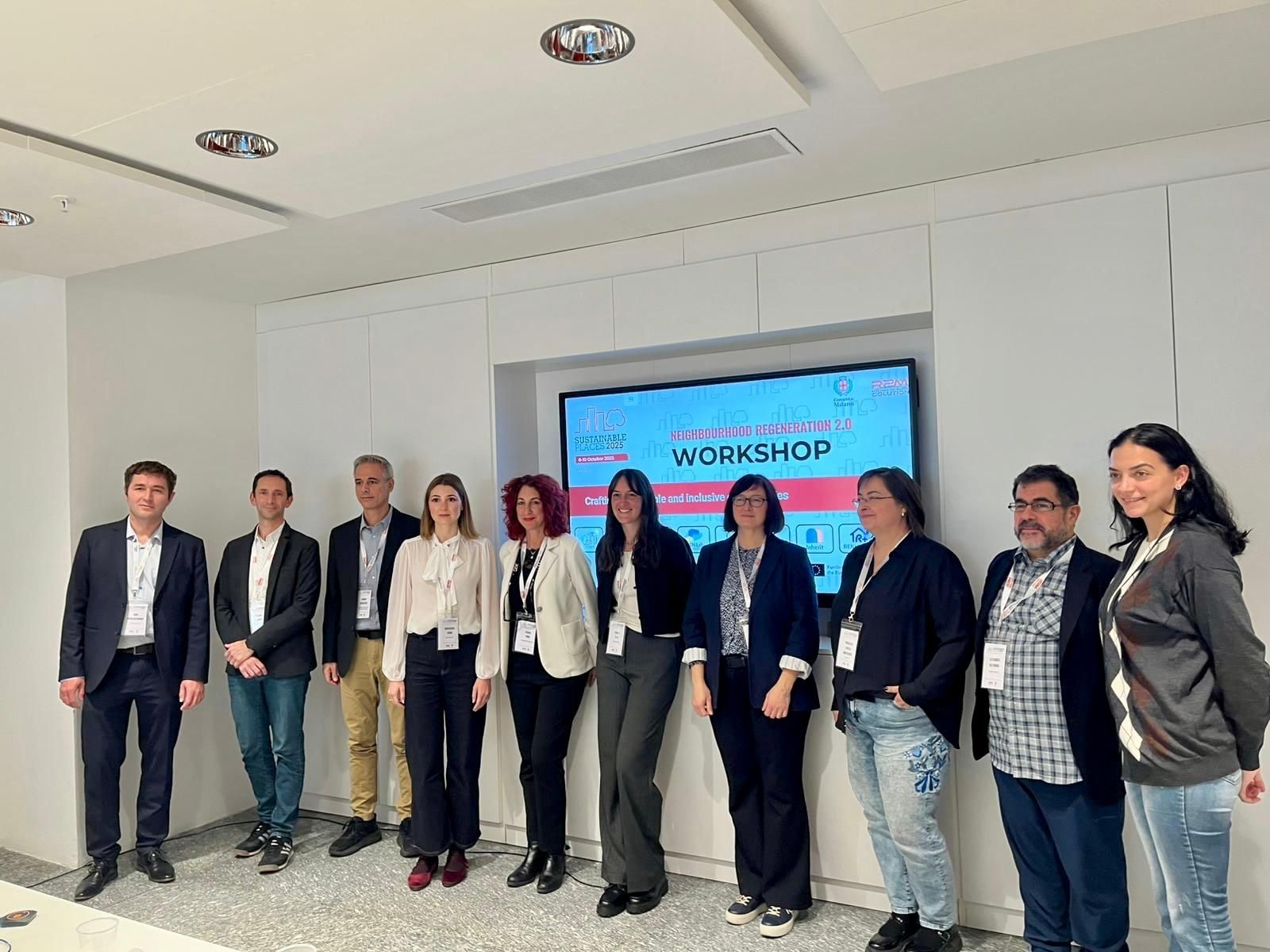
REGEN took part in a highly attended workshop dedicated to the New European Bauhaus. The session fostered enriching exchanges on how the NEB approach is being implemented across various R&D projects, with a strong focus on inclusiveness and participatory practices.
Discussions addressed key challenges such as the digital divide and how to effectively engage children, elderly people, and vulnerable communities when using digital participatory tools. Participants also explored complementary non-digital practices to reach the “invisible” groups, as well as strategies to manage citizens’ expectations and avoid frustration in the context of limited project resources.
During the session, REGEN, represented by Derya Yilmaz from LIST, shared its experience in engaging local stakeholders across its demo sites, highlighting practical approaches to inclusive participation and co-creation in neighbourhood regeneration processes aligned with NEB values.
Watch the recorded session:
#2 We organised a workshop with 8 other EU projects to highlight some challenges faced in neighbourhood regeneration
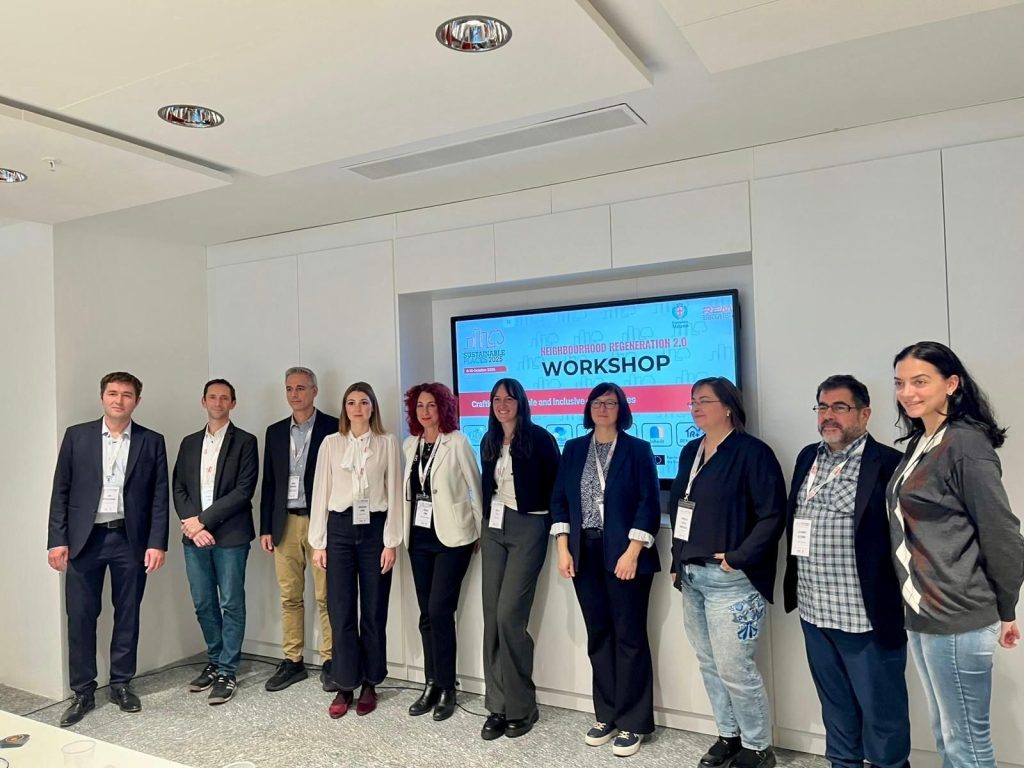
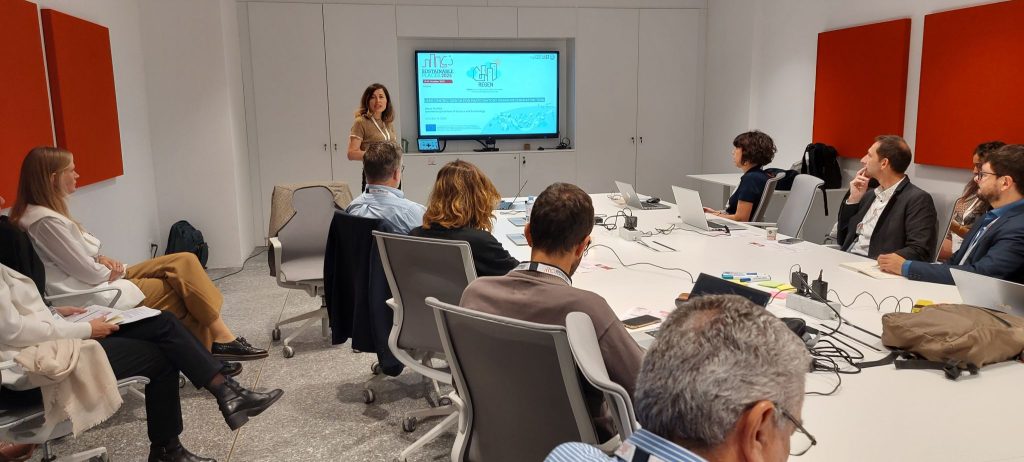
In this workshop, REGEN played a dual role: Coralie Vella (R2M FR) moderated the session, guiding the discussion and ensuring productive exchanges, while Sylvain Kubicki, our project coordinator, acted as a speaker, presenting REGEN’s approach.
The workshop focused on the urgent need for neighbourhood regeneration aligned with sustainability, inclusivity, and low-carbon goals.
Watch the recorded session:
#3 We presented both the conceptualization of one of REGEN’s key concepts, the Neighborhood Regeneration Office (NRO), as well as a tool from the REGEN toolbox, NBenefit$
During the paper session, REGEN presented two key contributions to urban regeneration.
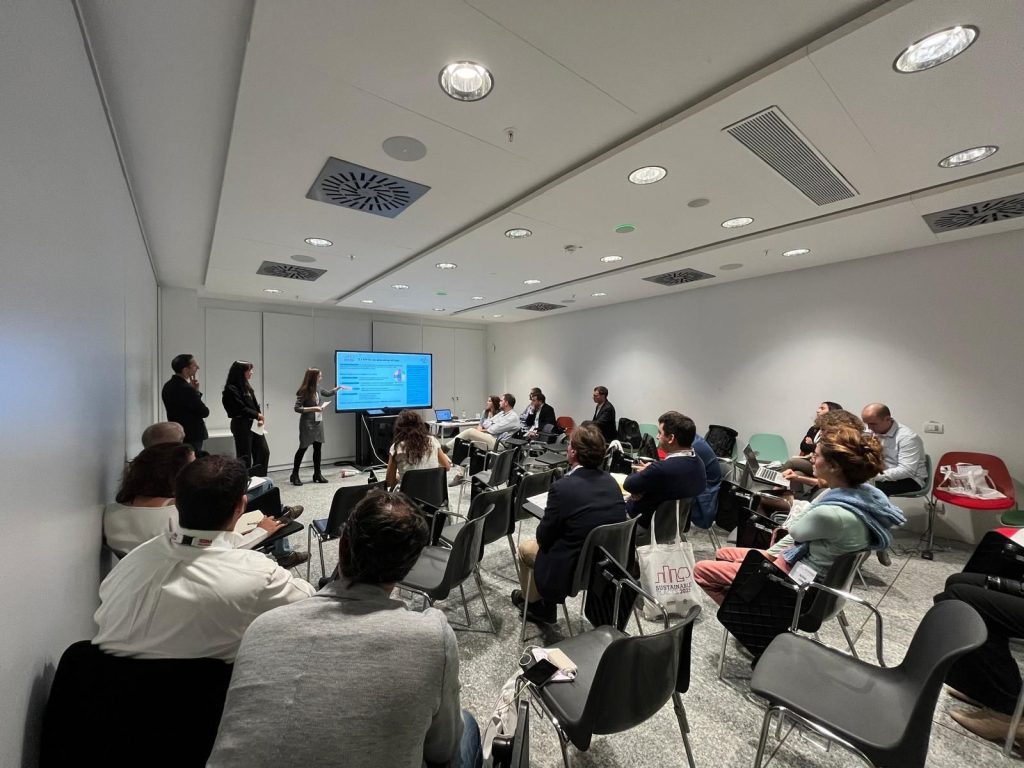
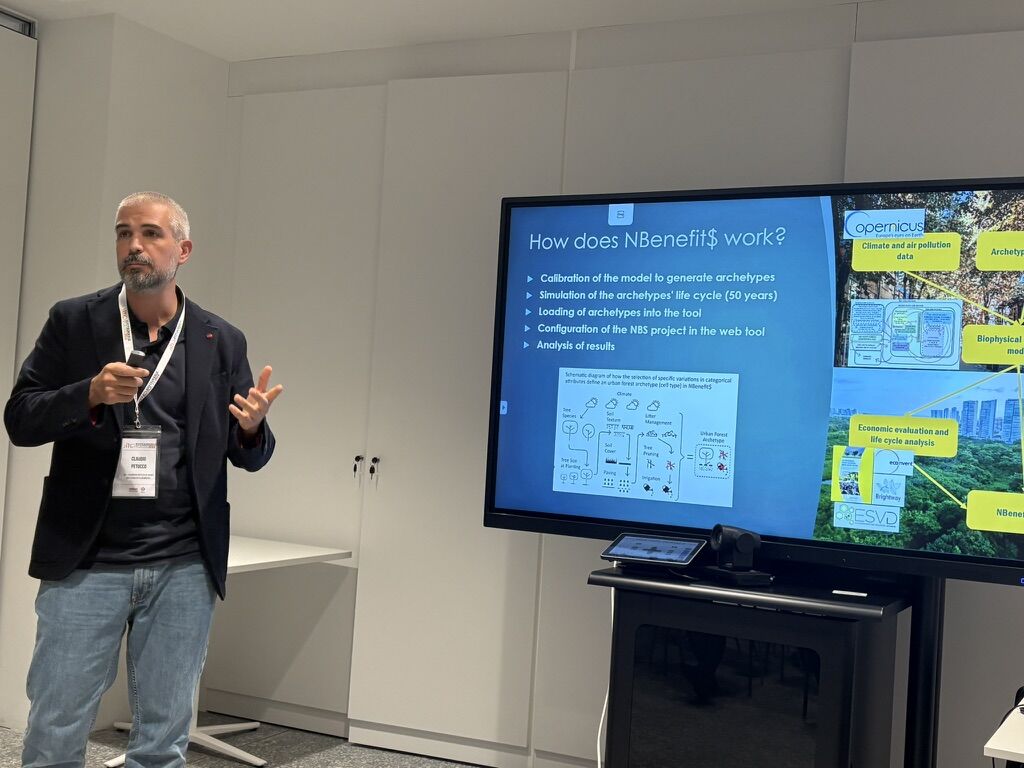
First, we introduced the concept of Neighbourhood Regeneration Offices (NROs). By merging practical tools with opportunities for social interaction, NROs create a unique model for sustainable neighbourhood transformation. In our presentation, we provided an overview of existing models, such as ‘one-stop shops’ and ‘third places’, and explained how NROs expand on these concepts. We also presented the NRO business model, supported by emerging examples from our four demo sites across Europe, highlighting its potential as an attractive and replicable approach aligned with New European Bauhaus principles.
Second, we showcased NBENEFIT, a software tool designed to predict the costs and benefits of nature-based solutions (NBS) in cities. NBENEFIT allows users to design urban NBS implementations using forest archetypes, differentiated by species, plant size and age, soil texture, and management actions. The tool integrates an offline archetype model, a database of archetypes, a calculation service, and a web-based user interface, enabling planners to assess and optimize NBS interventions effectively.
Watch the recorded session:
No responses yet