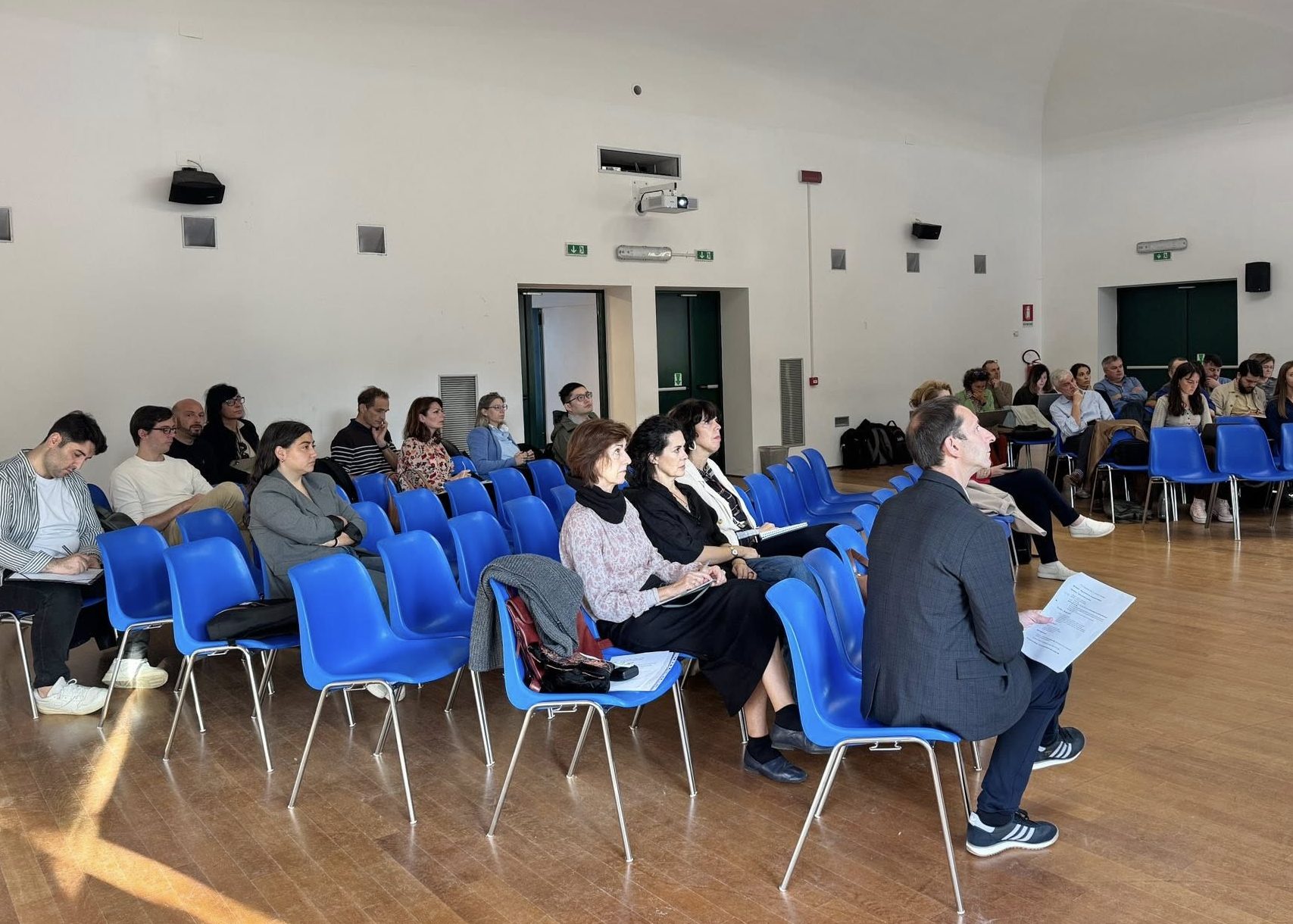
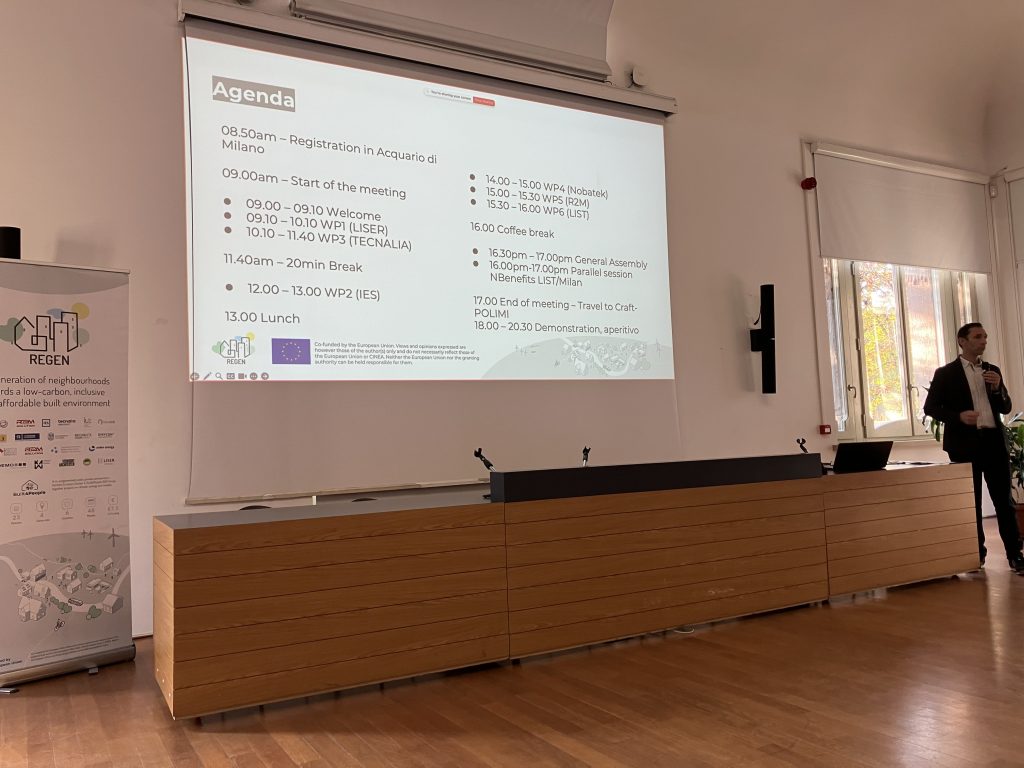
Sylvain (from LIST), the REGEN project coordinator, opened the day by reminding everyone of the agenda for this second day.
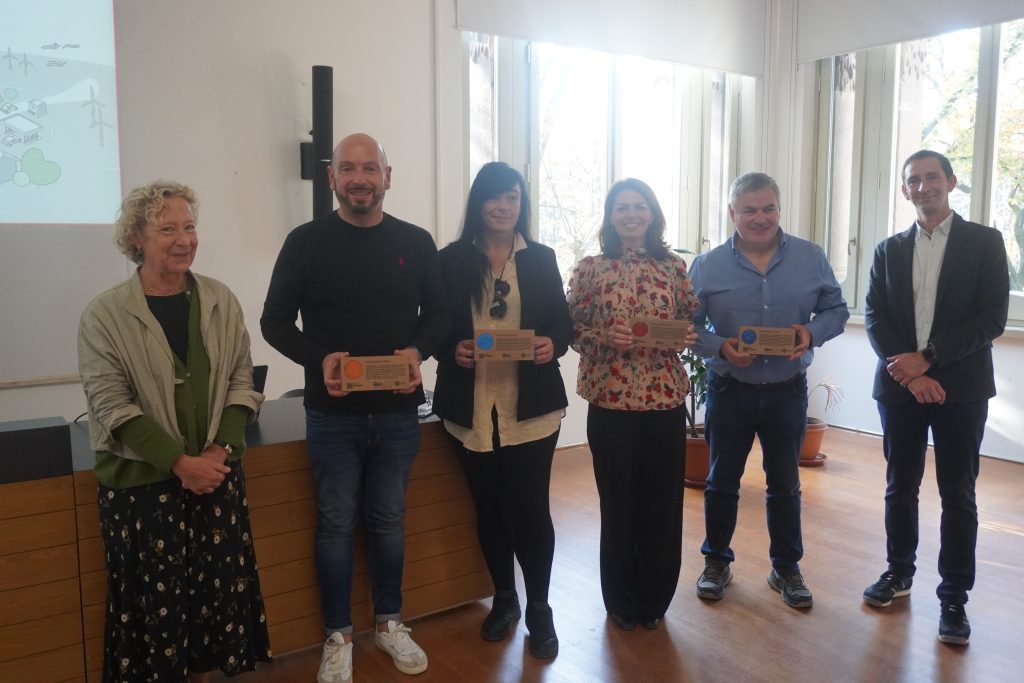
The session began with a speech by the Deputy Mayor, who recalled a long-standing Milanese tradition: every December, the city celebrates its founder through a symbolic award ceremony.
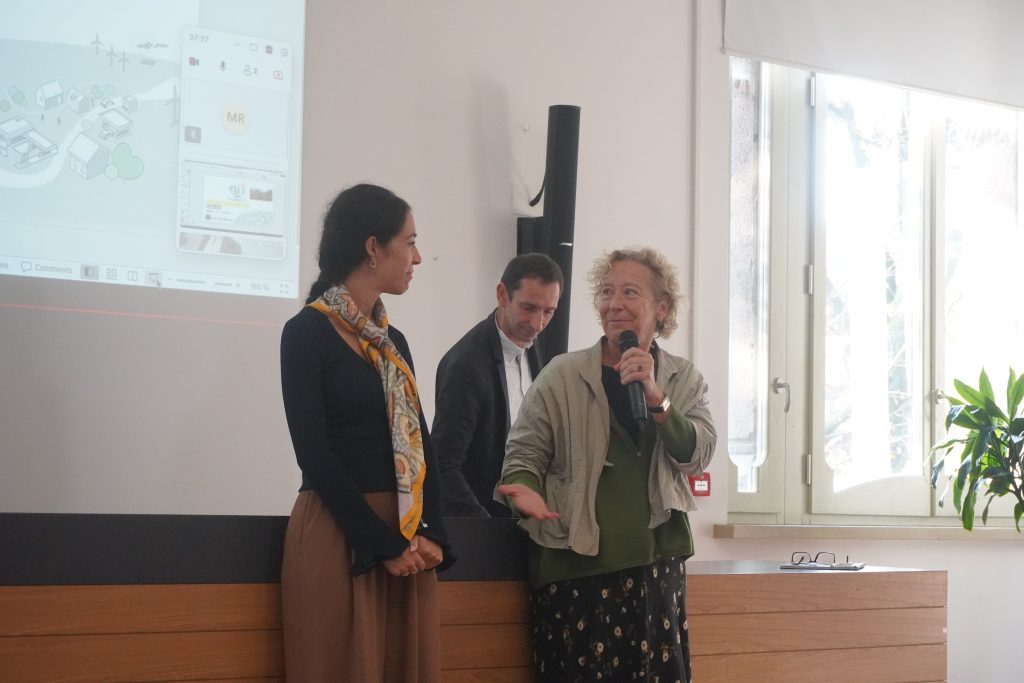
It opened with a speech from the Deputy Mayor, who recalled a long-standing Milanese tradition: each December, the city celebrates its founder through a symbolic award ceremony. In a renewed and more sustainable version of this tradition, a recycled award is now given to representatives of each visiting city.
The morning continued with WP1 (Living lab activities and capacity building for the Regeneration Office led by LISER), which presented the upcoming activities planned within each demonstration site (see below Gilles from LISER, WP1 team member).
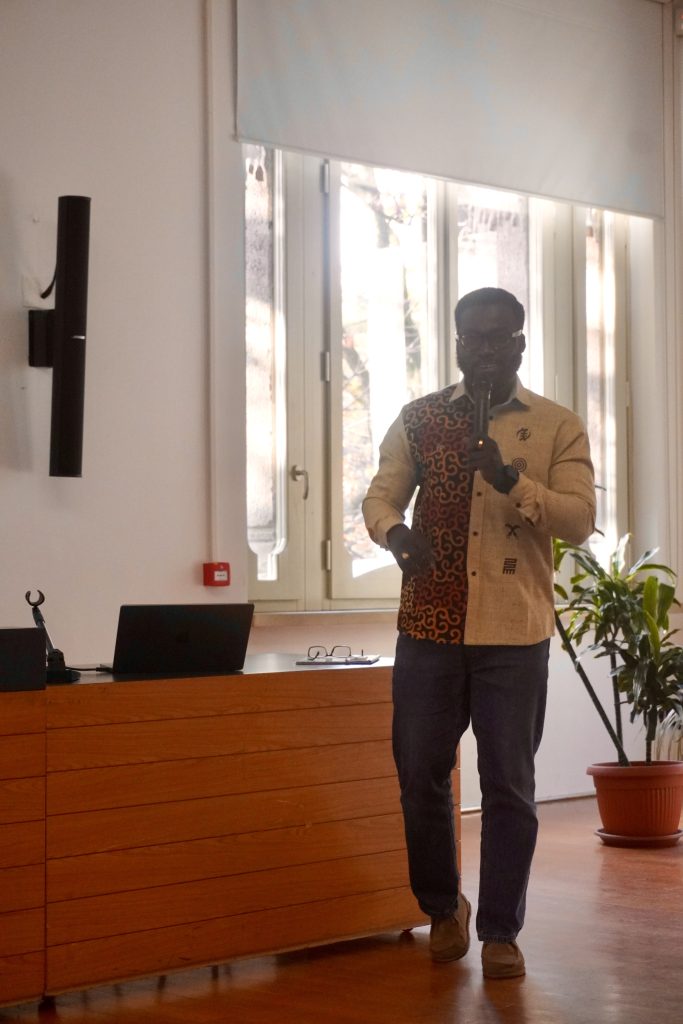
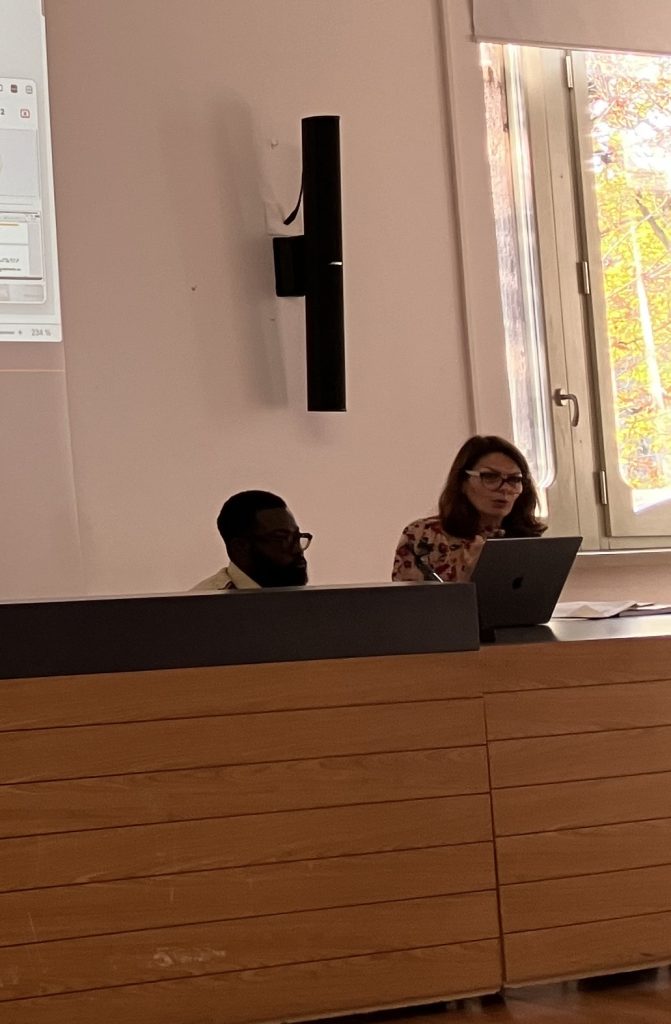
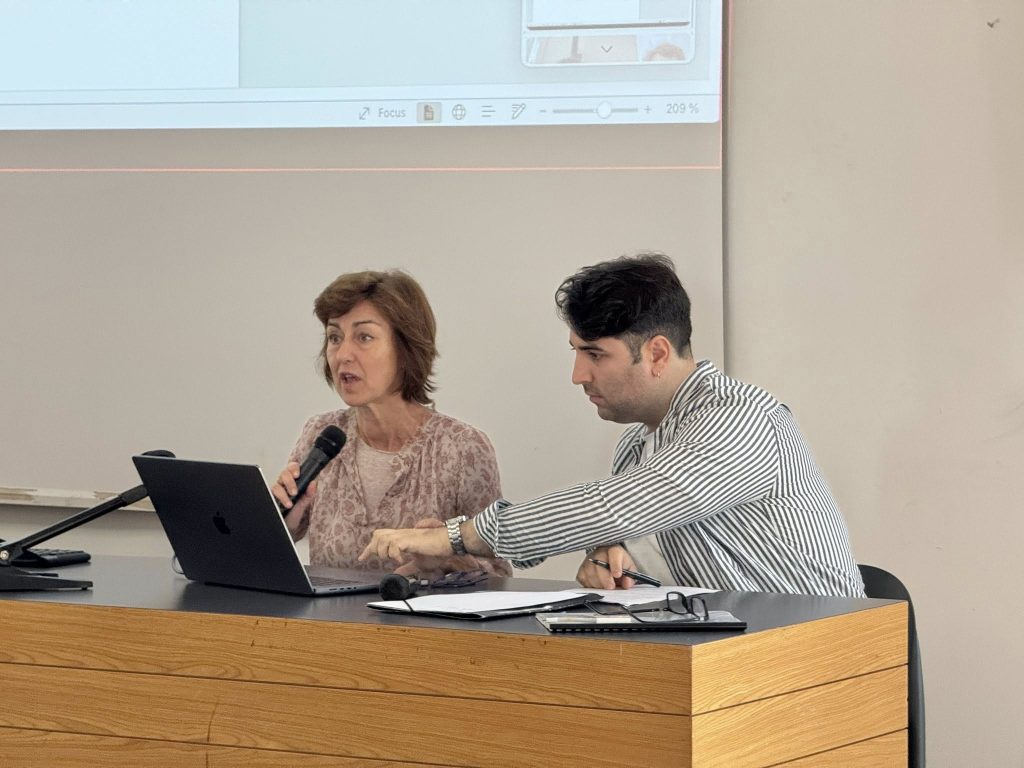
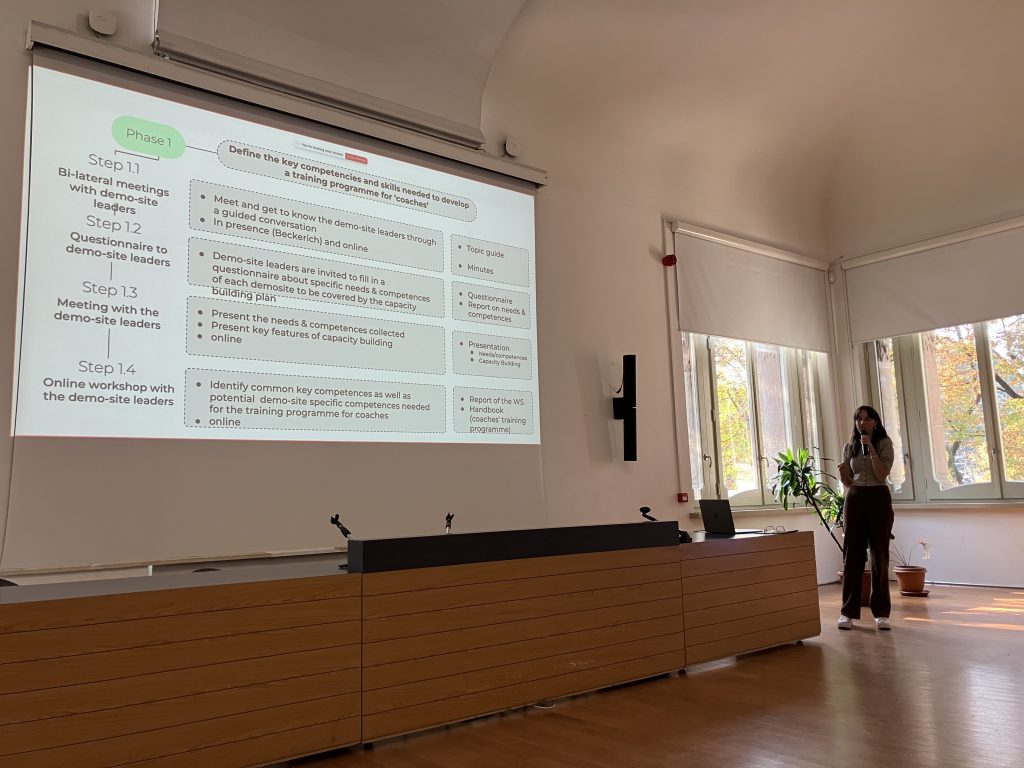
The team highlighted the ongoing Living Labs, emphasising the link between WP1 and WP3 (demo site activities): WP1 gathers interest and feedback from residents on what they feel is needed, while WP3 already defines a catalogue of potential interventions.
A dedicated segment also focused on capacity building, outlining current progress and the next steps (See below Coralie, from R2M France, collaborating with LISER on capacity-building activities).
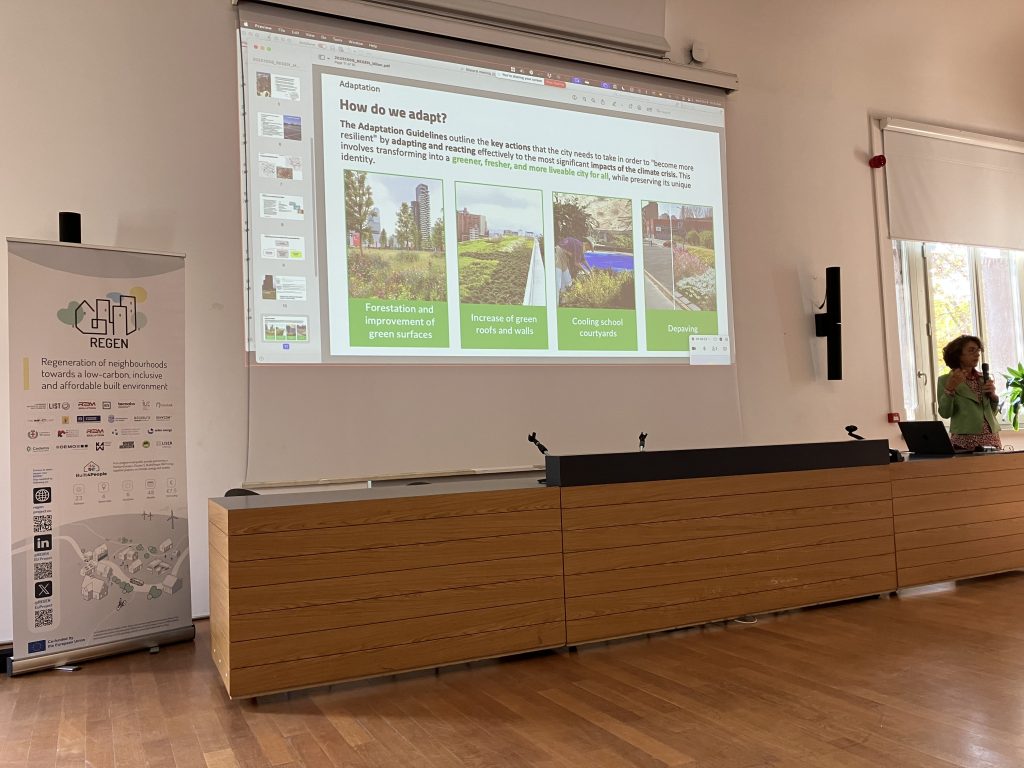
A spotlight on Milan followed, featuring a presentation by AMAT (full presentation available here)
Manuela presented a roadmap for decarbonization and adaptation aimed at making Milan a Carbon Neutral city by 2050. The action plan is structured around five visions for 2050, including :
- a Healthy and Inclusive Milan,
- a Connected and Highly Accessible Milan,
- a Positive Energy Milan,
- a Cool Milan,
- With a final focus on citizen awareness
This presentation also highlighted the aim of addressing challenges such as energy poverty.
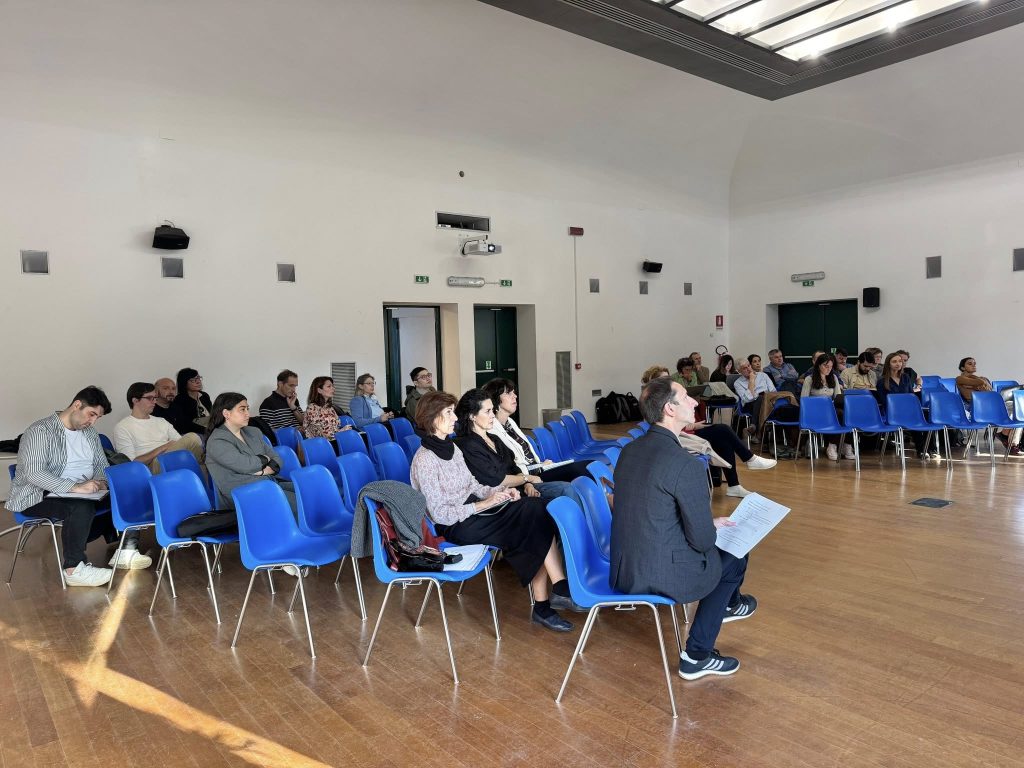
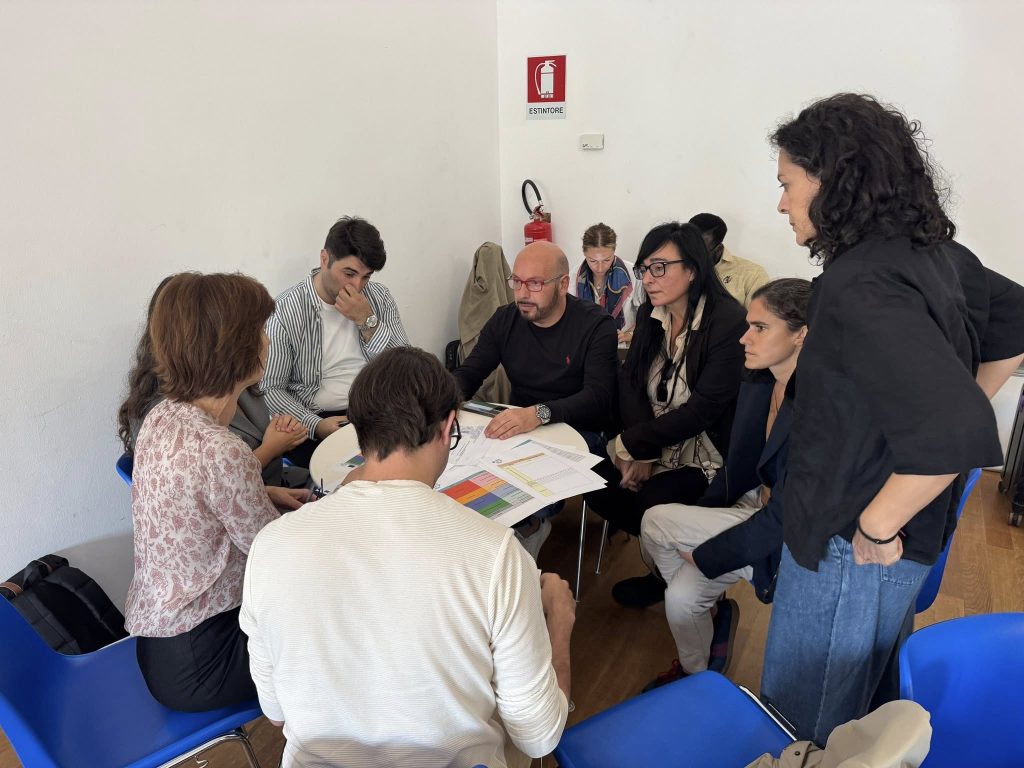
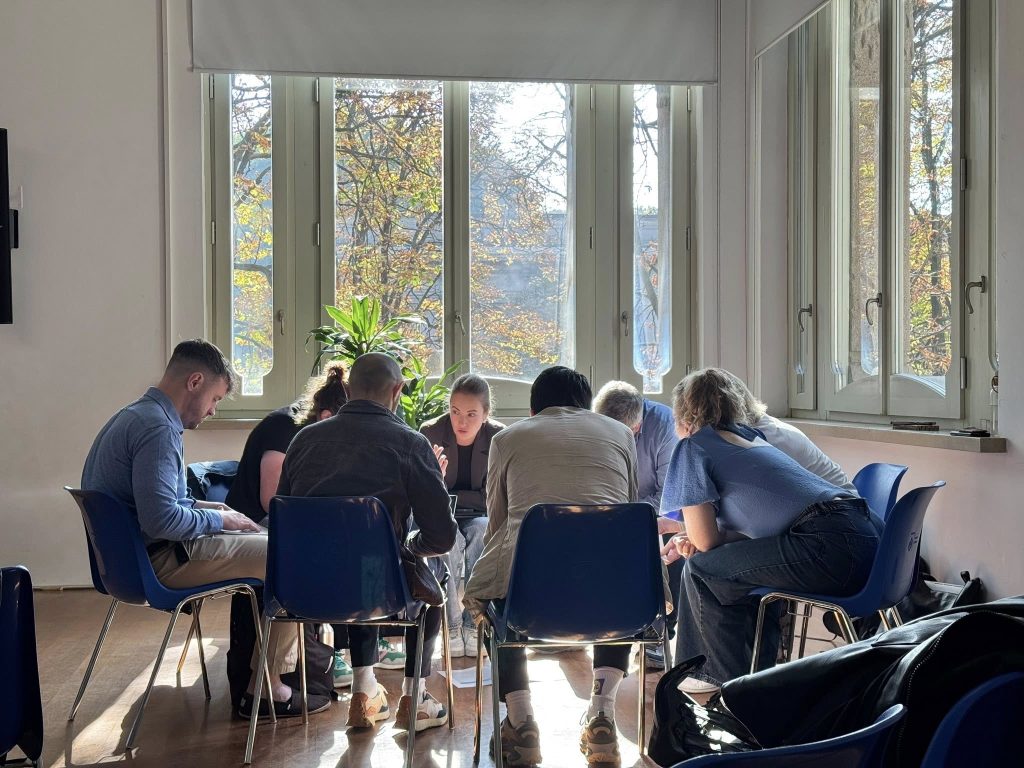
Before lunch, the group moved to the WP3 workshop, which aimed to structure and reorganize the numerous interventions and related actions already underway at each demo site, consolidating and clarifying the next steps.
This was followed by WP2 updates, during which presentations on the progress from IES were given, including adoption tools from the REGEN toolbox, such as MUST as well as NBenefit, developed by LIST.
The afternoon was dedicated to operational frameworks and project governance:
- Protocols and AFUR: Nobatek (WP4) led a session focused on implementation protocols
- Exploitation and impact: progress updates were provided for WP5 (R2M) and WP6 (LIST).
- General Assembly: The formal meeting concluded with a mandatory General Assembly to validate the project’s direction.
Following the main meeting, the group moved to Politecnico di Milano for a late-afternoon session that included interactive sessions and demonstrations of the MUST TABLE, accompanied by an aperitivo to continue discussions informally.
The day ended with a dinner at Osteria Ce Piace, where partners could debrief and discuss next steps in a more relaxed setting.
No responses yet